
Could data centers impact Houston County’s bear population? Local naturalist responds
There are currently no data center plans for Houston County, but local naturalist shares how they could impact local wildlife.
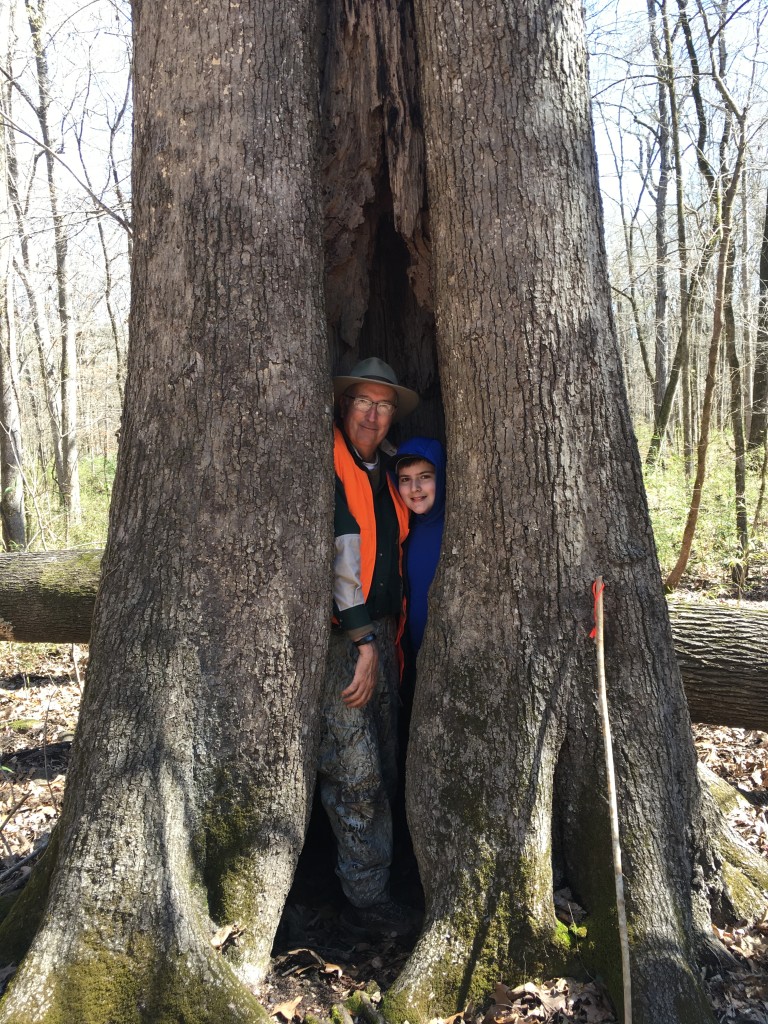
HOUSTON COUNTY — There are currently no discussions on data centers coming to Houston County and municipalities like Warner Robins have recently placed moratoriums against them. But, hyperscale data centers can still impact wildlife as well as humans. If one were to be built in Houston County, loss of habitat would be the top threat.
The Houston Home Journal caught up with Certified Master Naturalist John Trussell on how the local bear population could be impacted if a data center arises in Houston County.
Trussell has been a long-time advocate for Oaky Woods, a wildlife management area located in Kathleen. It is approximately 13,200 acres with the county-owned landfill included. He is also author of “Saving Oakey Woods” available on Amazon and in local public libraries.
“That is a big concern that we need to be really careful about because everything we do about loss of habitat and so forth is going to have an impact on that bear population,” he said.
The area offers hunting opportunities for deer, turkey, small game, coyotes and feral hogs.
Trussell said it is the closest thing to a national park in middle Georgia. People often visit the area to hike, bird-watch, camp, fish along the river and bike. He also wrote called “Road Biking Georgia.”
If a data center were to be built near the area, it would take up a lot of land.
Data centers typically contain at least 5,000 computers in facilities as large as 60,000 square feet. It could take away homes from both humans and wildlife.
“The bears in Oaky Woods and other areas down there would lose a lot of habitat,” he said.
According to him, male bears roam over 50,000 acres while female bears roam around 30,000 acres. The Georgia Department of Natural Resources Wildlife Resources Division says black bears especially wander in early spring and late summer when natural food sources are scarce. Young male bears also roam areas in an effort to establish their own territory.
In middle Georgia, there are about 300 bears around the area, according to the DNR. He said this is considered a stable population.
He said back in the early 1980s when he first started studying bears, the population was about 50.
Trussell said there’s already not enough land in Oaky Woods. The management area used to be 19,000 acres. He said the land is being used for other uses or being taken out of conservation.
“The habitat [Oaky Woods] is already shrinking terribly,” he said.
Overdevelopment is already harming the bear population. According to Trussell, 15 bears die every year in middle Georgia due to traffic accidents. The Georgia Department of Transportation has spent millions of taxpayer dollars to protect black bears by installing tunnels and other safety measures along Highway 96.
According to the Atlanta Press Collective, in December 2024, the U.S. Department of Transportation awarded GDOT a $2.2 million grant for a pilot program to reduce wildlife collisions on state roads.
Other effects of habitat loss is bears being forced to seek food from additional sources, like trash cans. Bears are being spotted more in residential neighborhoods, according to Trussell. He advises anyone who sees a bear to not call 911. Trussell said they will eventually go back into the woods.
Other impacts Trussell noted include water. Data centers use massive amounts of water to cool servers and networking equipment. According to the Data Center Map, there are 258 data centers being proposed throughout the state, four are along the Ocmulgee River corridor in Macon. The corridor is approximately 50 river miles running through Bibb, Twiggs, Bleckley and Pulaski counties.
Trussell said this could take water out of the drainages, which could result in a negative impact, he said.
Trussell sees both sides of the discussion among data centers. He understands that they need to keep up with technology, but with that comes a lot of issues.
“We need to put these things where they don’t negatively impact wildlife … Technology is good, we just need to control it and make sure it’s beneficial in all regards and doesn’t create any harm,” he said.
This isn’t the first time Trussell has advocated for Oaky Woods. Back in August 2024, Nashville-based solar company Silicon Ranch planned to build the “Robins Solar” project, a solar farm on 4,700 acres of land just south of the wildlife management area. The community came out to voice their opposition in a Zoning and Appeals Board meeting, where Trussell served as Vice Chairman at the time. In September 2024, the Board of Commissioners disapproved of the project.
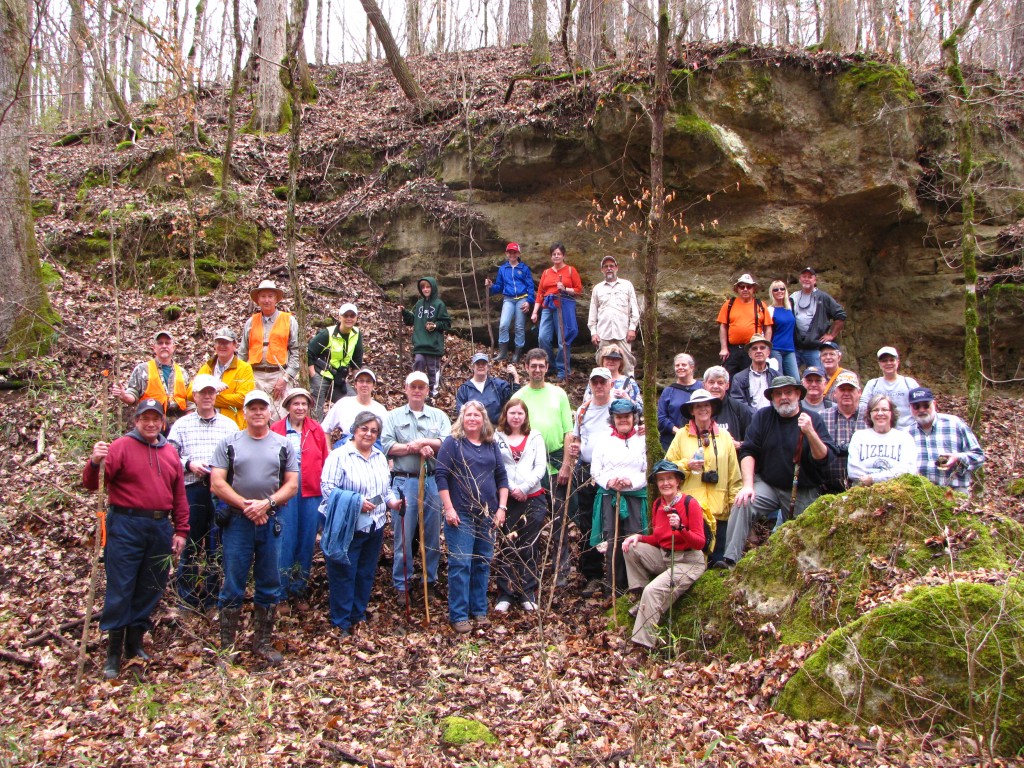
Trussell invited Ben Carr, an Assistant Bear Biologist with the DNR, to speak about how the solar farm could impact the bear population.
Although there are no plans for data centers in the county, Trussell said every locality needs to consider how data centers impact their residents and wildlife.
“[Oaky Woods] is a very important natural resource for our citizens. We need to protect it and as much property around it as we can,” he said.
Before you go...
Thanks for reading The Houston Home Journal — we hope this article added to your day.
For over 150 years, Houston Home Journal has been the newspaper of record for Perry, Warner Robins and Centerville. We're excited to expand our online news coverage, while maintaining our twice-weekly print newspaper.
If you like what you see, please consider becoming a member of The Houston Home Journal. We're all in this together, working for a better Warner Robins, Perry and Centerville, and we appreciate and need your support.
Please join the readers like you who help make community journalism possible by joining The Houston Home Journal. Thank you.
- Brieanna Smith, Houston Home Journal managing editor
Paid Posts
Author

Related Articles

Male pedestrian struck by vehicle Monday night, dead at the scene
Houston County Coroner James Williams said the accident occurred Monday night on Highway 41.
Native Plant Center saved by new ownership, expects September opening
The Native Plant Center now have new owners and will keep its impact in the community alive after its temporary closure. The new location is set to open in early September.

Man pronounced dead after car crash on Langston Road Monday morning
The fatal accident happened early Monday morning, according to Houston County Coroner James Williams.