
Where science meets service: Robins’ Chemistry Lab essential for base operations
If it’s a critical substance, there’s a chance it has come through the Chemical Analysis Laboratory on Robins Air Force Base.
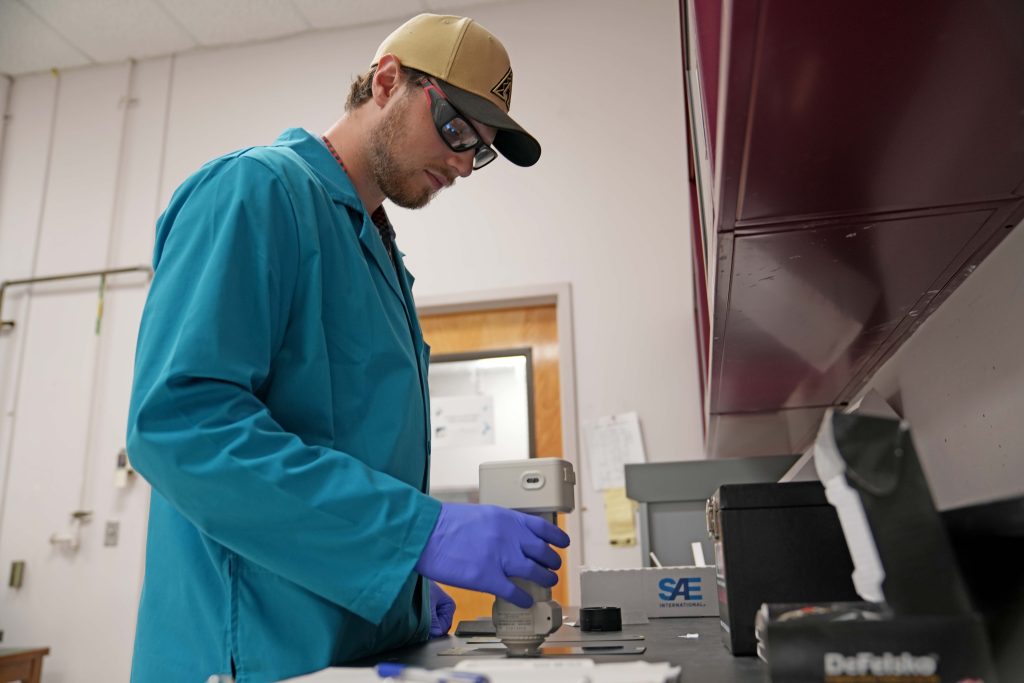
ROBINS AIR FORCE BASE — If it’s a critical substance, there’s a chance it has come through the Chemical Analysis Laboratory on Robins Air Force Base.
The lab consists of 22 scientists and engineers, divided into two sections, Industrial Process Support and Industrial Hygiene and Shelf Life, each with specific roles to support its mission.
Industrial Process mainly works in aircraft maintenance, from metal finishing and bonding to testing hydraulic fluids, engine oils, paints, sealants, and adhesives.
The lab works with multiple agencies across the Department of War and internationally. For example, customers in Spain are asking for shelf life extensions, as explained by supervisor Max Hetzer.
“They might have a palette of paint that’s expiring in the next month, and they want to see whether or not they can keep on using it for another few months, instead of buying a whole new palette of paint. That saves a lot of money. It saves a lot of time and other resources,” Hetzer said.
Working closely with these groups not only supports the Air Force but positions the lab as quality control for substances crucial to the mission. This ensures final products are top-notch and delivered in about a day.
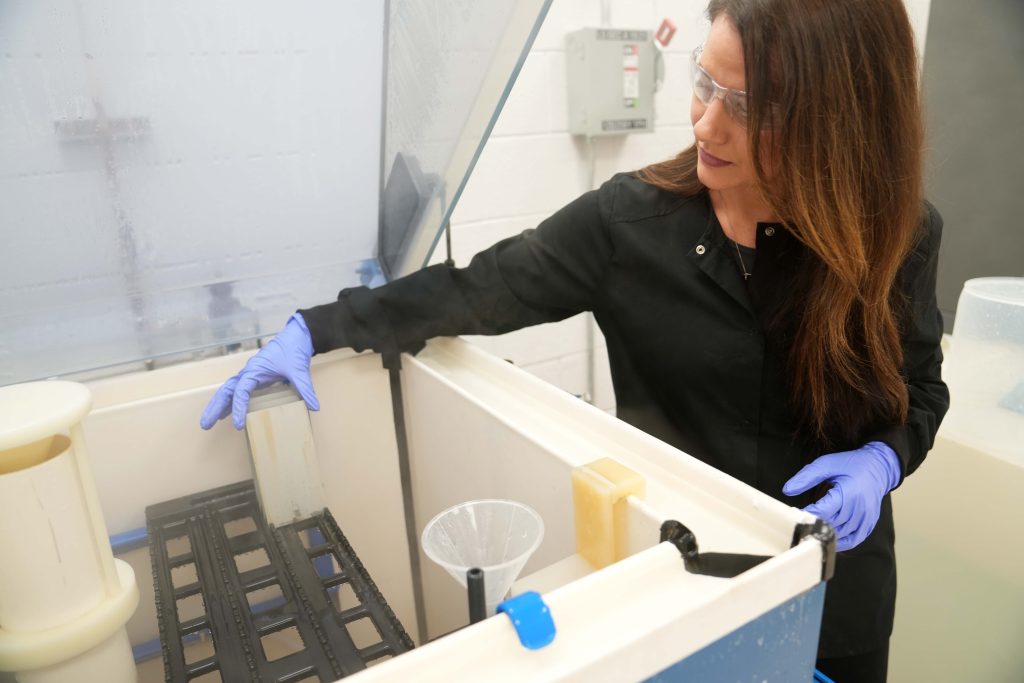
Critical areas of support include metal finishing, essential for aircraft production.
“Without our support, the commodities and aircraft maintenance groups cannot perform their job, and they cannot get aircraft out to the war fighter,” Hetzer said.
Hetzer said the lab works with a multitude of materials. In plating tanks, the lab works with chromic acid, sulfuric acid, sodium hydroxide, nitric acid and hydrofluoric acid.
Paints, primers, topcoats, sealers, and adhesives are also in rotation.
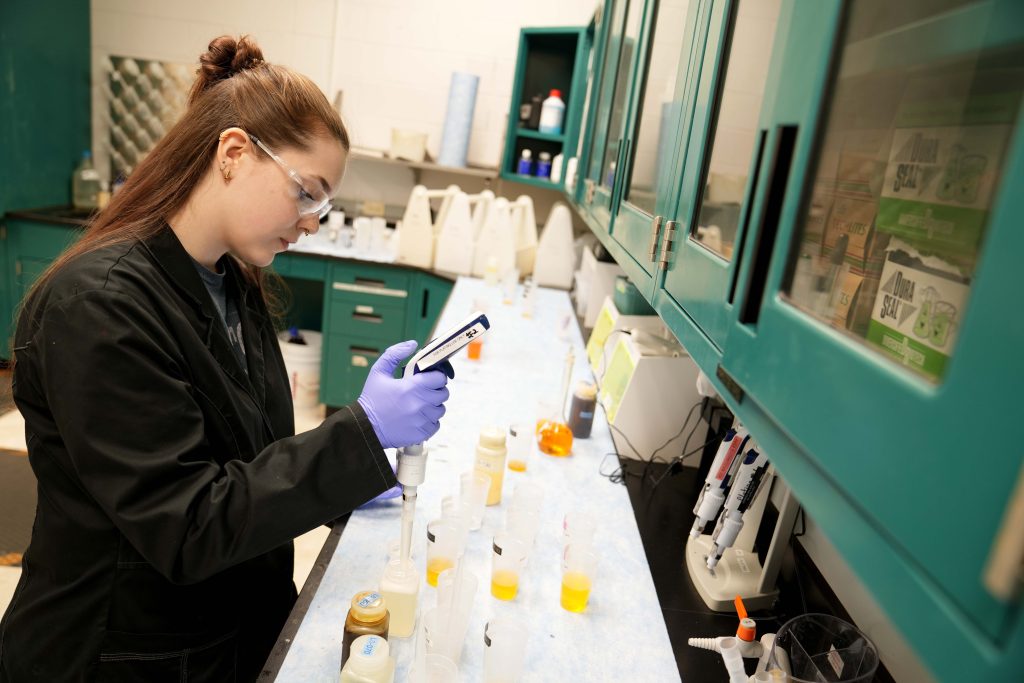
On the industrial hygiene side, the lab checks work areas to ensure harmful heavy metals are not tracked in, such as beryllium, chromium, cadmium and lead. The lab also samples drinking water and wastewater.
Testing ensures safety, and the lab had a critical chance when a water main broke on base, significantly affecting water pressure.
A late-night call, bioenvironmental scientists were working at 9 p.m., and had drinking water samples analyzed and back to normal standards in around 24 to 30 hours.
If contracted to another lab, the process would have been three to four days.
“That was a critical application of drinking water support that we provided to all of the base,” Hetzer said.
Hetzer said typical workflows depend on the day.
Wednesdays are by far the busiest, when the lab collects and analyzes samples from metal finishing. Between samples, scientists are working on special projects, creating testing plans, finalizing quality checks and submitting reports. The lab will typically collect and test 11,000 samples a year.
“It can be really busy, really stressful. Sometimes it’s laid back. But overall it’s steady work where samples come in, we analyze, then let them go,” Hetzer said.
The lab is also ISO17025 certified, an international standard that ensures robust management, standard operating procedures, and consistent quality and services in testing facilities.
“We’re making sure the quality of the results for the customers are at the world class,” Hetzer said.
To work in the lab requires a solid grasp of general, organic, physical, instrumental and quantitative chemistry. The baseline requirement is a Bachelor’s chemistry degree or chemical engineering degree with a chemistry concentration, but a scientist with a Biology degree made the cut due to prior chemistry training.
Hetzer said training is on base as well, which shows the lab’s operating procedures. His background is in chemical engineering, after initial aspirations to be a nuclear engineer.
Hetzer now has a Doctorate in chemical engineering and has been on the team for 17 years.
The lab also has a part of history, located in the base’s second-oldest building.
Looking towards the future, Hetzer is excited for new technology at the lab, including a liquid chromatography mass spectrometer, which allows the lab to look for harmful “forever” chemicals in drinking water and wastewater.
The technology ensures compliance with EPA regulations and adopting it now is a simpler process than waiting for the agency to mandate it.
As far as the culture, Hetzer said it’s fulfilling and far from clinical.
“I know it’s a kind of cliche that everybody is a family when you work,” Hetzer said. “It’s a working family. Everybody knows each other and we support each other in our working environment as well as outside of work.”
Before you go...
Thanks for reading The Houston Home Journal — we hope this article added to your day.
For over 150 years, Houston Home Journal has been the newspaper of record for Perry, Warner Robins and Centerville. We're excited to expand our online news coverage, while maintaining our twice-weekly print newspaper.
If you like what you see, please consider becoming a member of The Houston Home Journal. We're all in this together, working for a better Warner Robins, Perry and Centerville, and we appreciate and need your support.
Please join the readers like you who help make community journalism possible by joining The Houston Home Journal. Thank you.
- Brieanna Smith, Houston Home Journal managing editor
Paid Posts
Author
Related Articles
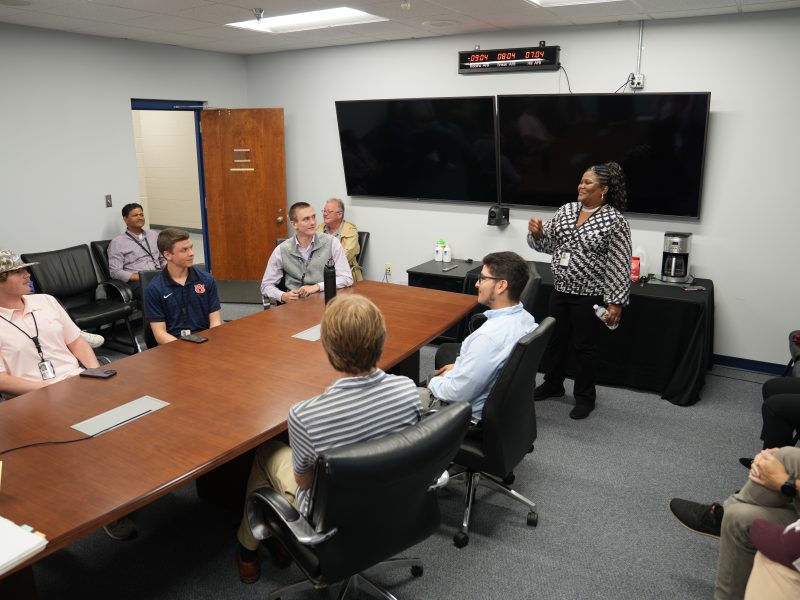
How students can get a jump start working in STEM at Robins Air Force Base
Robins currently offers two programs: JumpStart and the SMART Scholars program.
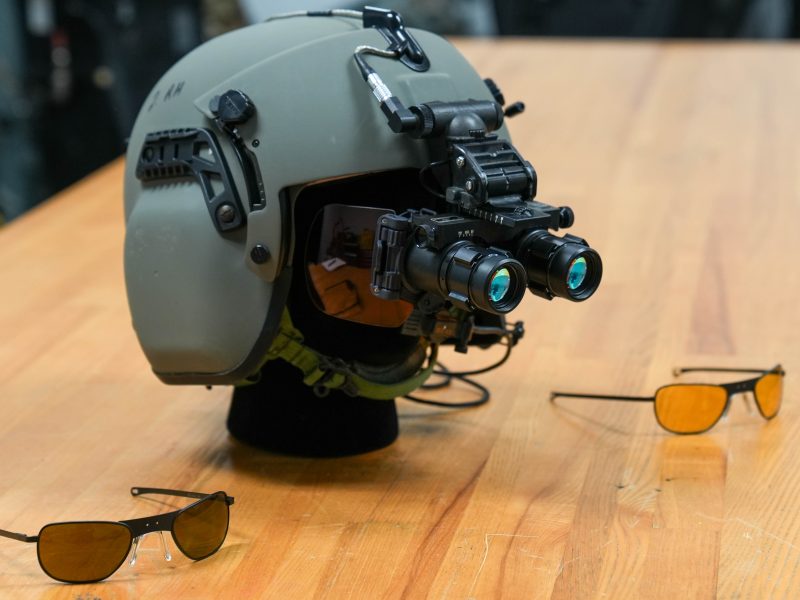
Lasers prompt Robins AFB eye protection team to ensure pilots are safe
The Laser Eye Protection team consists of two bases united in one mission: protecting pilots from lasers.
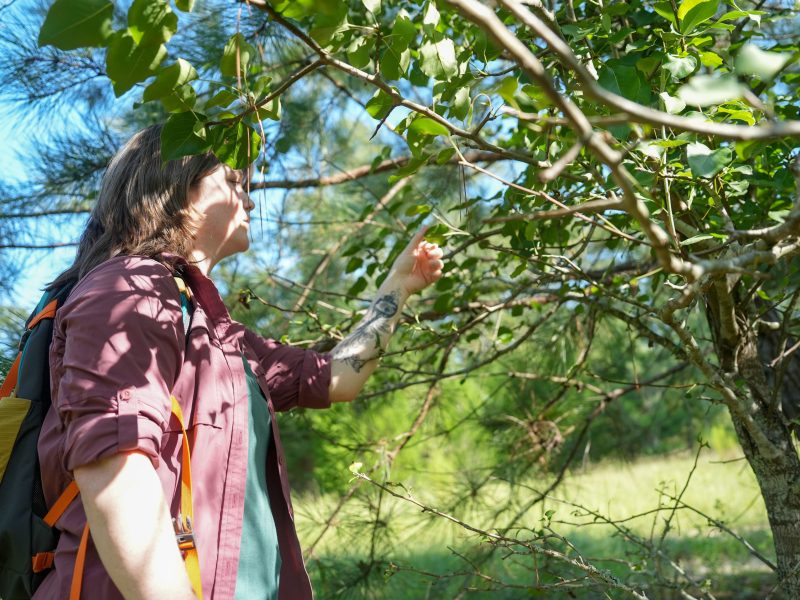
Robins’ Natural Resources Program supports mission by managing outdoor spaces | This is Robins
From birds to bears: the Base’s Natural Resources Program is critical in mission readiness.