
More potentially toxic plants
Last week we entered the world of a few plants that may be toxic to humans and animals.
Last week we entered the world of a few plants that, while possessing vibrant hues, unique petals, and delightful scents, at the same time may be toxic to humans and animals and thus should be approached with caution and handled with care.
A comprehensive list of some of these poisonous plants and flowers from Good Housekeeping Magazine includes a host of plants, while varying in their level of toxicity, can cause everything from severe skin irritation to digestive and respiratory issues. Whether you’re looking for low-maintenance houseplants or want to create an enchanting garden, this list can help you know what to plant and what to avoid.
Mountain Laurel (Kalmia latifolia)—These gorgeous blossoms hold a secret: they’re deadly. After consumption, people may suffer from burning on their lips, mouth, and throat. It’s also toxic to many animals, including, cats, dogs, and horses.
Chinese Lanterns (Physalis alkekengi)—While the leaves and immature fruit of this plant may be toxic, the color pods are sometimes used in wreaths and dried floral arrangements.
Stinging Nettle-If anyone touches the leaves or stems, the needle-like hairs of this plant can inject formic acid into the skin. This can lead to burning and an itchy rash.
Tobacco—The nicotine and anabasine contained in this popular plant are fatal when eaten. Nicotine is widely consumed around the world despite it being psychoactive and addictive.
Lily of the Valley—Breaking Bad fans will remember that Walter White used this sweet-looking plant for some not-so-sweet deeds. Consuming its toxic compounds—called cardiac glycosides—can send people to the hospital with symptoms like dizziness, vomiting, rashes, and diarrhea. If left untreated, those little bells can even cause death.
Castor Oil Plant—Castor oil plays a part in many home remedies, but the actual plant itself is more likely to kill you than cure you. The seeds contain one of the most poisonous naturally occurring substances known to man, according to Cornell University College of Agriculture and Life Sciences. Just one seed can kill a child, as the toxic protein ricin can cause severe dehydration from vomiting and diarrhea.
Rhubarb—This garden vegetable’s stems do make for delicious pies. Just don’t try using leaves. Eating too much will shut down the kidneys, occasionally proving fatal.
Foxglove—Don’t be fooled by this plant’s pretty colors. These bell-shaped blooms and their berries entice kids, but contain a compound used for treating heart failure. Eating them is like “taking an unregulated dose of heart medicine,” according to Poison Control.
Wisteria—Thankfully this climbing vine rarely harms humans, but the seed pods are toxic to dogs, cats, and horses. Head to the vet if you develop symptoms like vomiting or diarrhea.
Lilies—While they’re most popular around Easter, lilies in the Hemerocallis genus endanger cats even after spring. That includes common tiger and daylily varieties. Eating just a small amount can lead to acute kidney failure or death.
Dieffenbachia—Also known as dumb cane, this plant can become deadly if ingested, causing the airways to swell shut. Even brushing against it can cause burning or itching.
Daffodil—The bulbs are the most poisonous part of these so-called friendly flowers, so you might think twice about planting them if you have a dog who likes to dig. Ingesting too much could cause vomiting, diarrhea, convulsions, tremors, and cardiac arrhythmia.
Hydrangea—These popular blossoms contain a toxin that’s no joke: cyanide. But don’t uproot your plant just yet. Pets and humans need to ingest quite a bit of these flowers for the effects to be fatal.
Oleander—Eating only a small part of this plant (which flowers in white, pink, or red) can be fatal. In one case, just one leaf was enough to harm a child. Symptoms of poisoning include drowsiness, slowed heart rate, and shaking.
There you have it—quite a list of plants to avoid or treat with caution. Be careful out there!
Tim Lewis is a Georgia Green Industry Association Certified Plant Professional, gardening writer, and former Perry High School horticulture instructor. He can be reached at (478) 954-1507 or timlewis1@windstream.net.
Before you go...
Thanks for reading The Houston Home Journal — we hope this article added to your day.
For over 150 years, Houston Home Journal has been the newspaper of record for Perry, Warner Robins and Centerville. We're excited to expand our online news coverage, while maintaining our twice-weekly print newspaper.
If you like what you see, please consider becoming a member of The Houston Home Journal. We're all in this together, working for a better Warner Robins, Perry and Centerville, and we appreciate and need your support.
Please join the readers like you who help make community journalism possible by joining The Houston Home Journal. Thank you.
- Brieanna Smith, Houston Home Journal managing editor
Paid Posts
Author

Related Articles

DID YOU KNOW …? Was an iconic star of a 1960s sitcom the first person in the role?
This Saturday is the Fourth of July, which in itself is a wonderful day. But this year, it’s extra-special.
You see, this year’s Independence Day is the 250th anniversary of the signing of the Declaration of Independence, the symbolic thumbing of the nose to King George III of Great Britain by the American colonists.
A pretty nasty war followed that, but once the war was over, these 13 formerly British colonies became a new nation, the one in which you and I live. (Unless you live somewhere else.)
So Happy 250th Birthday, America, and let’s get on with the trivia!

* What To The Slave Is The Fourth Of July? *
Greetings and blessings! My fellow citizens and friends, “Our Unfortunate Democracy In Such A Time As This! Yes, we are about to celebrate our nation’s 250th birthday of freedom and just look at us and where we are now.
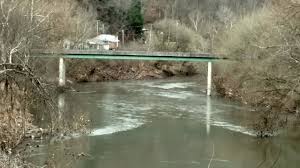
DID YOU KNOW …? Did a West Virginia town turn to the Soviet Union for help in getting a new bridge built?
Well, if this ain’t a kick in the head!
Last week, this column – the silliness you’re reading right now – won an award! For the second year in a row, my little exercise in trivia was voted second place in the Lifestyle/Feature Column category in the Georgia Press Association’s annual Better Newspaper Contest.
Apparently, this makes me (gasp) an award-winning columnist!
I didn’t make mention of it last year because it was such a neat, new thing, but now … read on for some award-winning trivia!
Thanks, Georgia Press!