
Monitoring mental health in an unprecedented time
When COVID-19 made its way on the scene, it brought with it potentially deadly challenges that took the health care community by storm. While information regarding the medical impact has received widespread exposure, details as to the depth in which it has negatively influenced the mental health community has not been as readily available.
Stephanie Williams is a licensed clinical social worker in Warner Robins and has 15 years experience in one-on-one counseling with adults and children. By day, she works for First Choice Primary Care, a non-profit community health care service wherein clients who are actively receiving medical treatment come for needed counsel as referred by their primary physicians. In the evenings, Williams functions independently through Discovering Solutions, LLC; a private personal care service wherein she visits the homes of those in need of her expertise. Individuals and families who request Williams’ in-home presence are largely those who are dealing with heightened levels of mental health-related issues.
“Many physical health issues that people suffer with, such as diabetes, hypertension, over-eating, and heart conditions are exacerbated by mental health issues like stress and anxiety,” Williams said. “These mental tensions and traumas can be brought on by outside forces like grief issues or poor relationships with loved ones. Whatever ignites the mental struggles tends to intensify the physical struggles, so it’s my job to do all I can to help the client deal with the part that’s not medical.”
Williams explained that in recent weeks, the stress levels of her clients have been “through the roof.” She has been inundated with those seeking help with finding coping skills to decrease the levels of stress and anxiety. “Some have serious mental struggles that they are already dealing with, such as schizophrenia and bipolar disorder. If you add to those, the feelings of helplessness, hopelessness, or the feeling that everything is out of control, it can have disastrous results.”
According to Williams, since the start of the coronavirus pandemic, she has witnessed an increase in those in need of counsel. “Prior to COVID, I was seeing a lot of people because of the stress brought on by substance abuse or family dysfunction. What I’m seeing now is a big increase of clients who are dealing with depression and anxiety.” Williams further stated, “There is an issue that is called adjustment disorder, which is what happens to some people when they experience some type of drastic change or trauma in their lives that they have a hard time adjusting to. With adjustment disorder, the traumatic event typically has happened within a three-month span. The impact of the COVID virus falls within that time period, and a lot of people are suffering with adjustment disorder, which is resulting in increased anxiety, panic and depression.”
Williams described people’s uncertainty about the future and their inability to control the circumstances that are going on around them, as large role players in them becoming anxious, gloomy and depressed. While some people are able to control these emotions and not allow them to become states of dysfunction, others are not. “A major issue going on right now is fear of the unknown,” she informed. “This is a virus that is absolutely killing people, and even the professionals who are being trusted to manage it are struggling with bringing it under control. So if someone already deals with panic attacks or high anxiety issues, something like this can amplify these matters to a much, much higher level.”
There are actions that people can take that Williams said can help manage their stress levels. “There are two types of common anxieties,” she stated. “One is the overwhelming type, which typically happens when too much is going on at one time for that person to handle, and they can’t find a way to balance it. Then there’s paranoia,” Williams explained. “This has to do with the not knowing. When those dealing with paranoia aren’t adequately informed, the wheels of their minds start turning, and their imaginations get the best of them.” The implementation of a few changes or actions, Williams said, has the ability to help people with anxieties in both categories—especially if used at the first signs of increasing anxiety.
The tips and ideas that Williams offered are three-fold: mental, physical, and spiritual. Physically, people can build their immune system. Self-care, she said, is a sizeable factor in the equation. “If you can control your fork, you can control your thought process,” Williams emphasized. “There are certain foods that are proven to weaken your ability to rationalize because they negatively affect your immune system. Sugar and dairy are two of them,” she said. “They lower your immune system, unlike things like vegetables and vitamin C.” She pointed out that one of the symptoms of COVID is difficulty breathing. “Dairy promotes the creation of mucus, and if you come in contact with something that attacks the respiratory system, dairy is going to make the struggle worse.” Williams also stressed the importance of adequate rest, physical exercise and drinking plenty of water.
To build mental strength, Williams suggested that people refrain from over-indulging in negative news stories, especially those regarding COVID-19 during this time of pandemic. “This includes exposing yourself to a lot of negative social media posts. You cannot do that if you want to lower your anxiety level. These things can be scary to a person who doesn’t deal with anxiety disorders; so, for one that does, it can be detrimental.” Instead, Williams recommends deep breathing exercises, listening to soothing music and taking long, hot baths or showers. “Positive distractions are also good,” she added. “Take your mind off of what’s negative and focus on actively doing something positive. It could be redecorating your home, reorganizing your closet, cleaning out the garage or planting flowers in your yard. Why not pull together a collection of magazines and cut out pictures to build a vision board? Simple activities that require you to align your focus can make a big difference.”
Lastly, Williams recommends that people do things to strengthen themselves spiritually. “For me, as a Christian,” she said, “that would be praying, reading my Bible, listening to Christian music, having times of devotion or watching inspirational YouTube videos.” For those who may not necessarily practice Christianity, Williams says that there are other effective activities that are seen as spiritual, but not necessarily Christian in nature. “Deep breathing, yoga, meditation, relaxing on the bed with eyes closed and soft music playing in the background,” she stated. “All these are things that people can do to help calm their spirits. Regardless of religious beliefs, everyone needs to find ways to feed their spirituality.”
For more information about the therapeutic in-home services that Williams offers, or to set up a teleconference, send an email to HolmesWilliams4life@gmail.com or give Williams a call at 478-336-0996.
HHJ News
Before you go...
Thanks for reading The Houston Home Journal — we hope this article added to your day.
For over 150 years, Houston Home Journal has been the newspaper of record for Perry, Warner Robins and Centerville. We're excited to expand our online news coverage, while maintaining our twice-weekly print newspaper.
If you like what you see, please consider becoming a member of The Houston Home Journal. We're all in this together, working for a better Warner Robins, Perry and Centerville, and we appreciate and need your support.
Please join the readers like you who help make community journalism possible by joining The Houston Home Journal. Thank you.
- Brieanna Smith, Houston Home Journal managing editor
Paid Posts
Related Articles
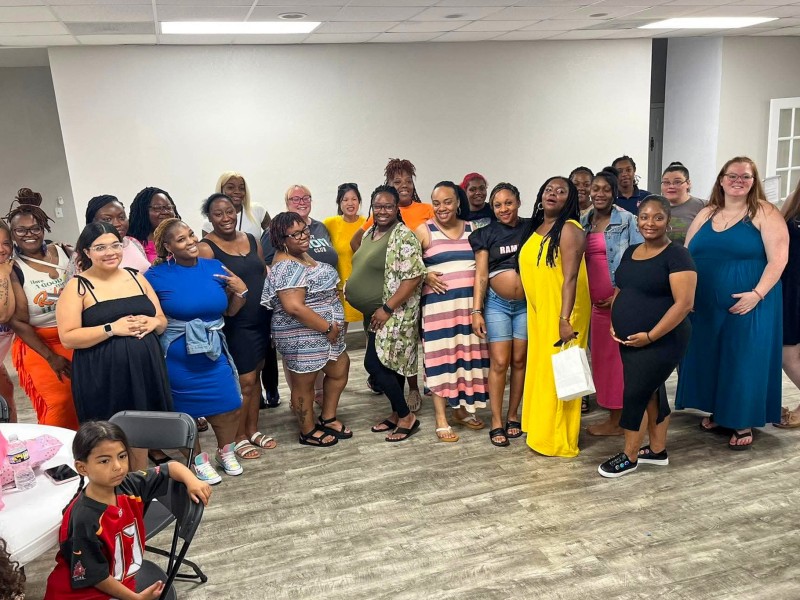
Third annual Community Baby Shower to help expectant mothers this Saturday
The Community Baby Shower will be on Saturday, April 11 from 1:30 p.m. to 3:30 p.m. at the Curtis Event Center in Warner Robins.
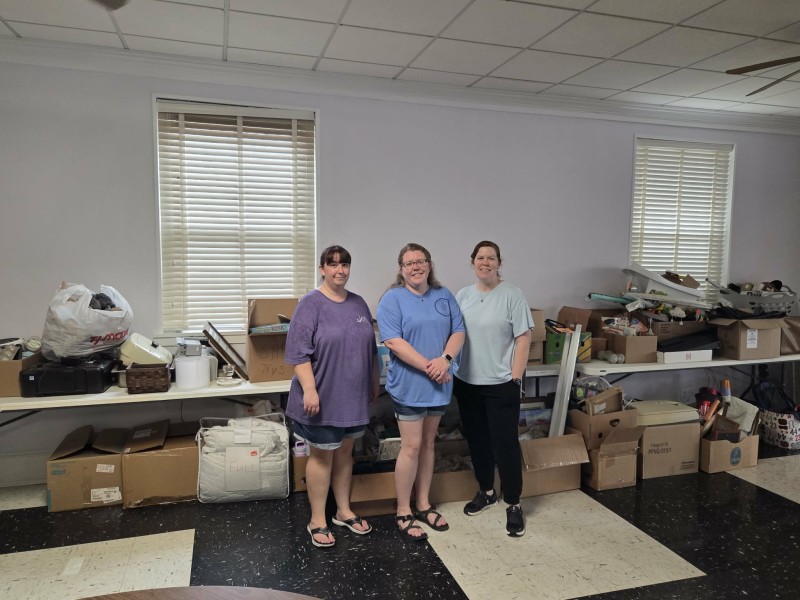
Mom’s Club of Warner Robins to host three-day yard sale to help local girl with rare genetic brain disorder
The Mom’s Club of Warner Robins annual benefit yard sale will start on Thursday, April 16 at the Well at Centerville.
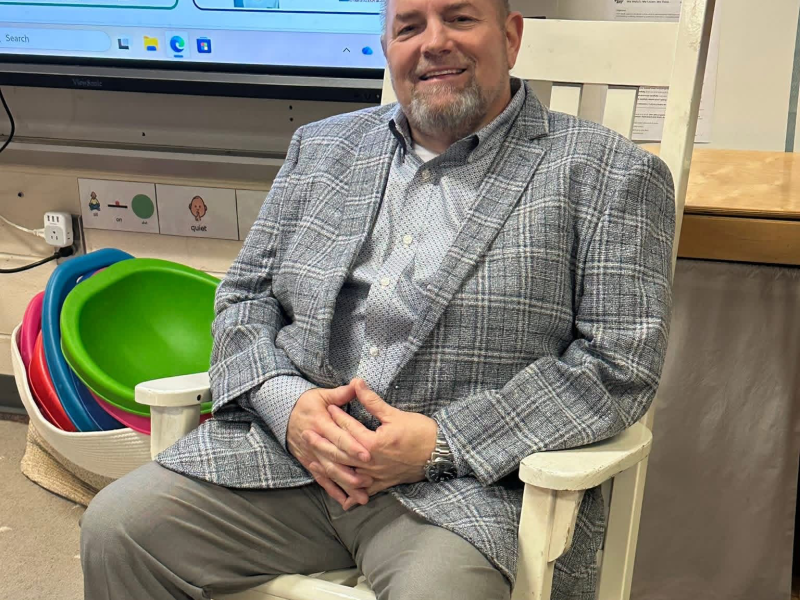
Jon Nichols hopes to continue his calling by serving on the Board of Education
Jon Nichols is seeking reelection for Houston County Board of Education Post 4 and hopes to continue his tenure as a servant leader.