
Controlling sugar spikes controls fat deposits
Food intake is a lot like income.
Food intake is a lot like income, if we earn more than we spend, we have the opportunity to save some in case our income drops or is lost. Insulin is like our calorie banker, and once he or she satisfies the accounts that take care of our expenses, he or she puts the balance in our savings account (fat cells). This is our body’s system working for us and we can’t fault it for saving it if we’re not giving it the toned muscle or the activity to burn the extra!
A lot of our food we consume does not have the recommended 5 grams of fiber per serving and we wind up eating much more than we should because we didn’t get that full sensation in time. Much of our packaged foods have either added sugars or high fructose syrups in them and this combination with starchy carbs is not something we want as part of our dietary intake if we’re wanting to lose body fat or are trying to protect ourselves from diabetes.
Insoluble fiber helps make us feel full faster and soluble fiber lines our digestive track with a gel-like substance, slowing down the absorption of sugar into the bloodstream. Most fruits do not cause as intense a sugar spike as packaged or processed sweet food and beverages because they contain the soluble fiber that helps regulate its absorption.
Our body produces insulin as a response to blood glucose (blood sugars) and delivers the energy from this glucose to working parts of the body to replenish their energy stores. Once this is completed and these cells have been replenished, it will start taking the leftover blood sugars to our fat cells, to store as reserve energy until our sugar runs low in our blood.
The problem is a lot of the foods we eat spike our blood sugar and do not allow this to happen. Our pancreas produces insulin in direct proportion to the amount of sugar in our blood at one time, so when a lot hits our bloodstream, it produces a lot. This doesn’t work well for keeping sugar levels steady because of the massive amount of insulin still in the blood looking for sugar!
This is a lot of times when people repeat the cycle to get rid of that shaky feeling called a sugar low, instead of waiting a little while longer for the insulin levels to drop which will in turn trigger the release of energy stored in our fat cells or otherwise known as burning fat.
There are a few things that will help avoid sugar spikes:
- Skipping dessert after a high fat/high carb meal.
- Eating half of a candy instead of the whole thing.
- Avoiding sweet drinks with meals, (a sugared beverage that is consumed as part of a small snack when running on empty will mostly be sucked up by the body and used as energy).
- Eating foods that take a while for your body to digest.
It’s as simple as this: insulin being in our blood locks up our fat cells. Until our level of insulin drops down, our body will not release energy from our fat cells. After insulin has done its job, it will start disappearing from our blood and this works as a trigger to release our other form of energy, (body fat).
If we ate too much inevitably this is going to raise our blood sugar levels. Unless we get physically active after the meal, we are telling our insulin to do its job and store the excess in our fat cells. If we are active and our energy output is burning this extra off it doesn’t have to store it because you have burned it. The times we really need to watch for are when we know we will be inactive; this is when these high-octane fuels can have a poisonous effect on our body.
When we eat too much, lets then do something extra to burn off the extra or the extra is going to extra size our fat cells!
Before you go...
Thanks for reading The Houston Home Journal — we hope this article added to your day.
For over 150 years, Houston Home Journal has been the newspaper of record for Perry, Warner Robins and Centerville. We're excited to expand our online news coverage, while maintaining our twice-weekly print newspaper.
If you like what you see, please consider becoming a member of The Houston Home Journal. We're all in this together, working for a better Warner Robins, Perry and Centerville, and we appreciate and need your support.
Please join the readers like you who help make community journalism possible by joining The Houston Home Journal. Thank you.
- Brieanna Smith, Houston Home Journal managing editor
Paid Posts
Author

Related Articles
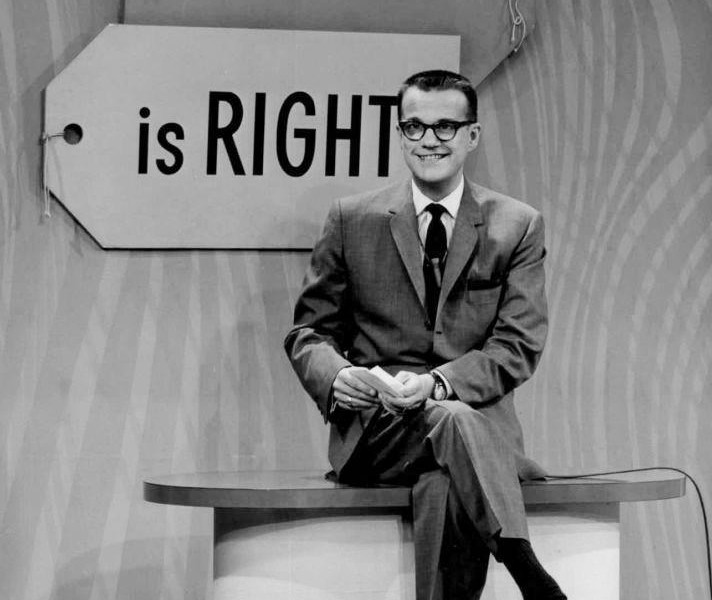
DID YOU KNOW …? Who was the producer’s first choice to host the original “The Price is Right”?
Five hundred columns down, and an infinity of columns yet to go!
After last week’s party for the 500th collection of silly trivia, you’d think I would be ready to give up, right? Heck no. I’m just getting started. In fact, I plan to be around until we hit 1,000 columns and then some!
So while you settle back and enjoy your favorite beverage appropriate for the time of day in which you read this, I’ll be working on future columns to enlighten and entertain you.
Enjoy!

Jesus called Himself ‘Son of Man,’ not ‘Son of God’
The Christian faith teaches that Jesus is the “Son of God,” yet Jesus frequently and consistently called Himself the “Son of Man” — a total of 81 times in scripture.

If you give a coworker a donut
If you give a mouse a cookie…