
Warner Robins mosquito spraying program goes organic for summer 2026
Mosquito spraying officially started on May 11, but this year, the city is taking a more environmentally conscious approach.
WARNER ROBINS — Mosquito spraying officially started on May 11, but this year, the city is taking a more environmentally conscious approach.
In an interview, City Administrator James Drinkard said the spraying is intended to help control the mosquito population and address issues like disease transmission.
According to the Georgia Department of Public Health, regularly found mosquito-borne illnesses include West Nile virus. In rare cases, West Nile can cause severe sickness in humans affecting the brain.
Drinkard said that there have been discussions with Mayor LaRhonda Patrick and council members about not continuing the program due to concerns from the public about environmental impact. But they have also received requests to continue.
This year, the city is using a new product with proven effectiveness.
It is called Southland Organics Defender which is made with essential oils and natural stabilizers, according to Southland Organics. Drinkard said it was chosen because it does not contain certain chemicals and insecticides, like the former product used by the city, PermaSease.
The Environmental Protection Agency has a standard set for natural products called FIFRA 25, according to their website.
“What that means is while it’s effective against mosquitos, ticks, fleas [and] things like that; it’s actually designed to be safe for pollinators [like] bees, butterflies and other beneficial insects,” he said.
The city anticipates it will not have negative impacts. The previous spray, PermaSease, was a true insecticide designed to control mosquitoes and certain flying insects.
According to Azelis Agricultural & Environmental Solutions, it contains 4.6% permethrin and 4.6% piperonyl butoxide. These chemicals work together to remove adult mosquitos, black flies, gnats and midges.
He described the product as indiscriminate, meaning it also negatively impacts honeybees.
An issue honeybees and other pollinators are currently facing is the yellow legged hornet, which was seen in Savannah, the Georgia Department of Agriculture says.
“[We’re] trying to be more environmentally conscious and not negatively impact pollinators and positive insects,” he said.
The organic Defender mosquito spray does not include harsh chemicals, but is still effective against ticks, fleas, ants and other annoying insects, like mosquitoes.
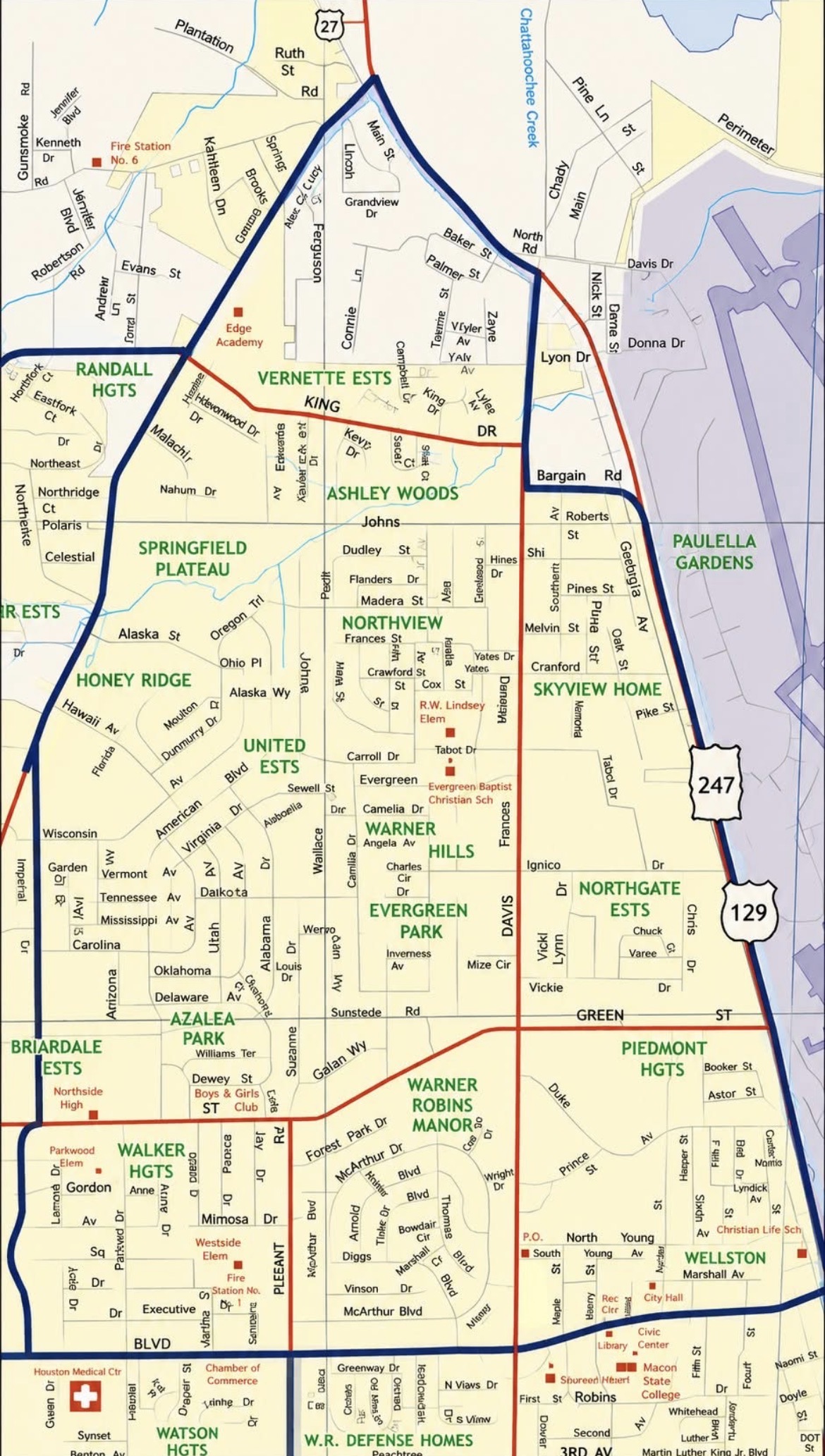
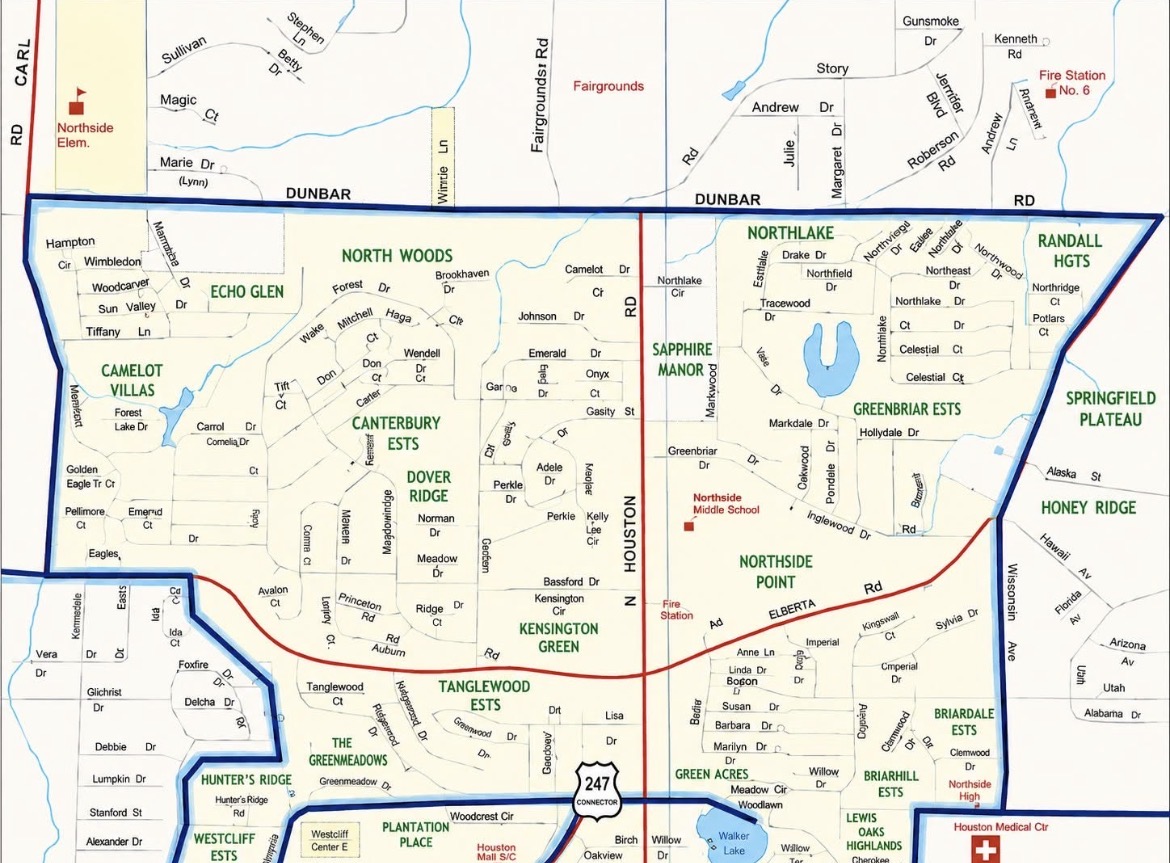
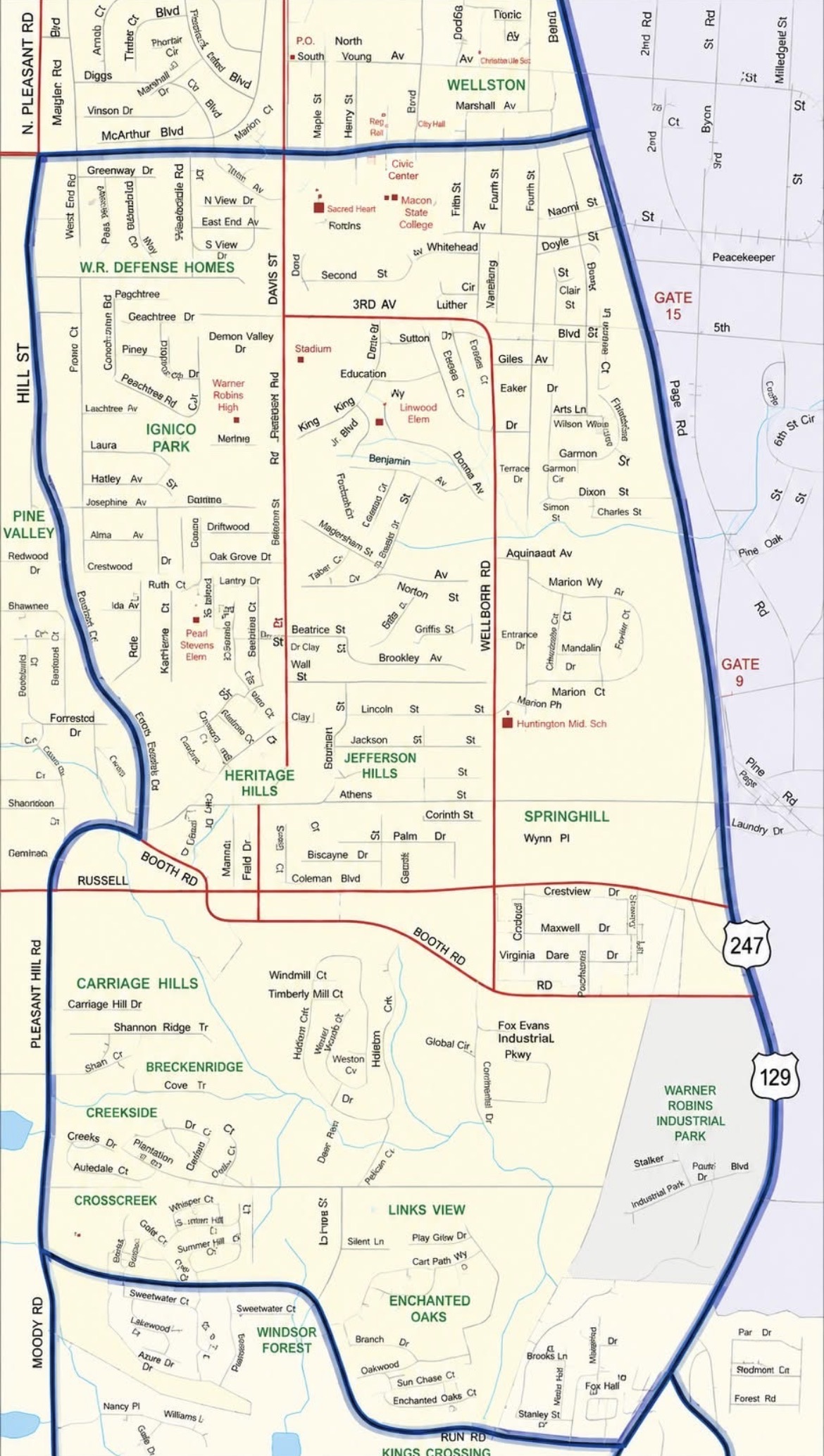
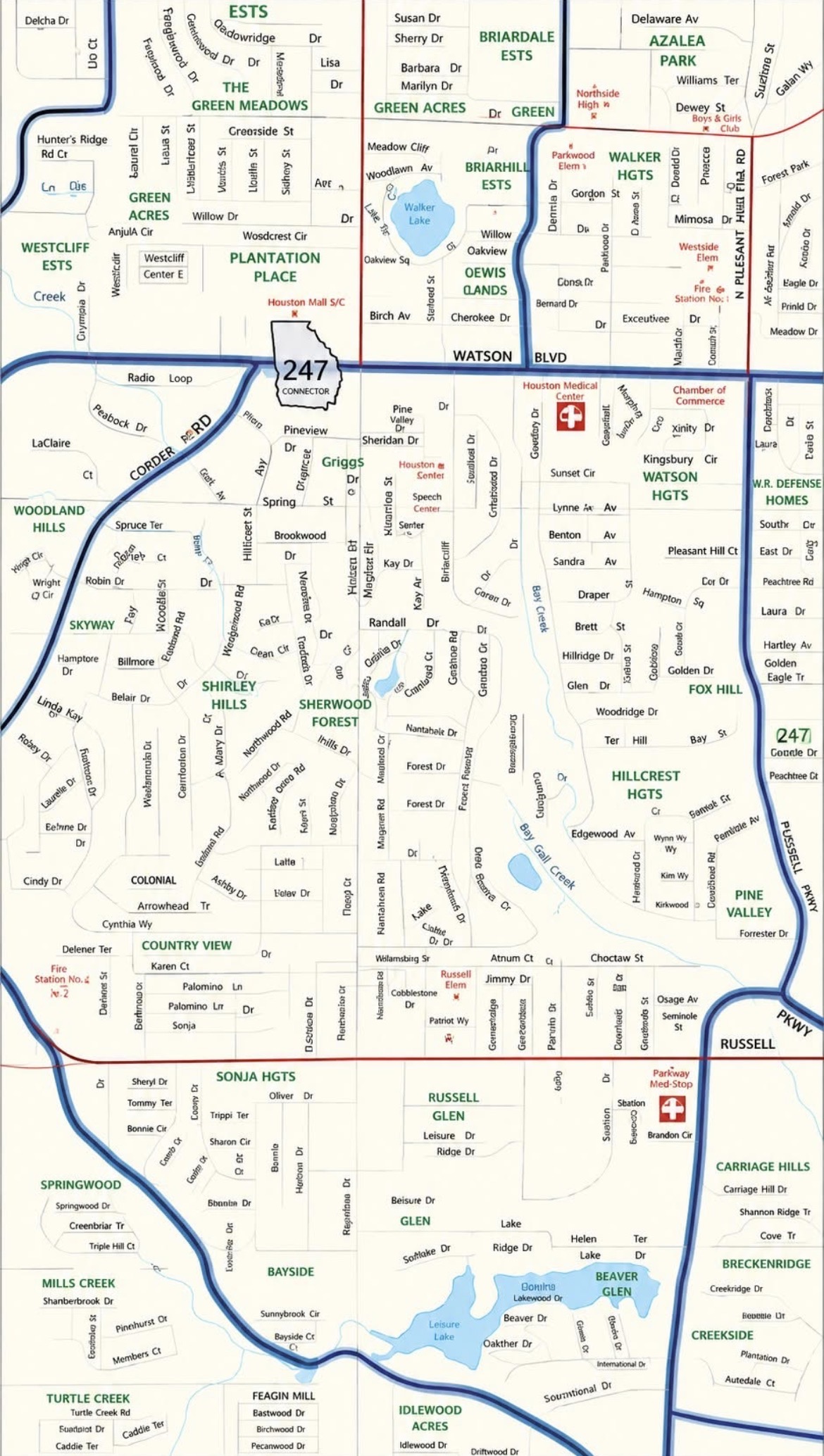
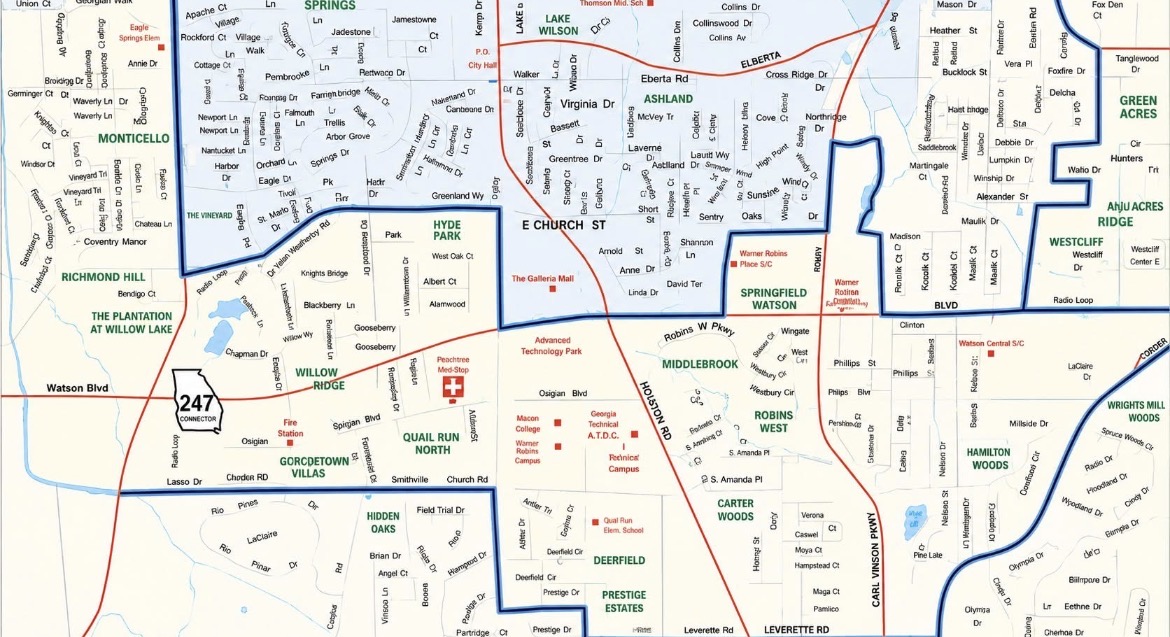
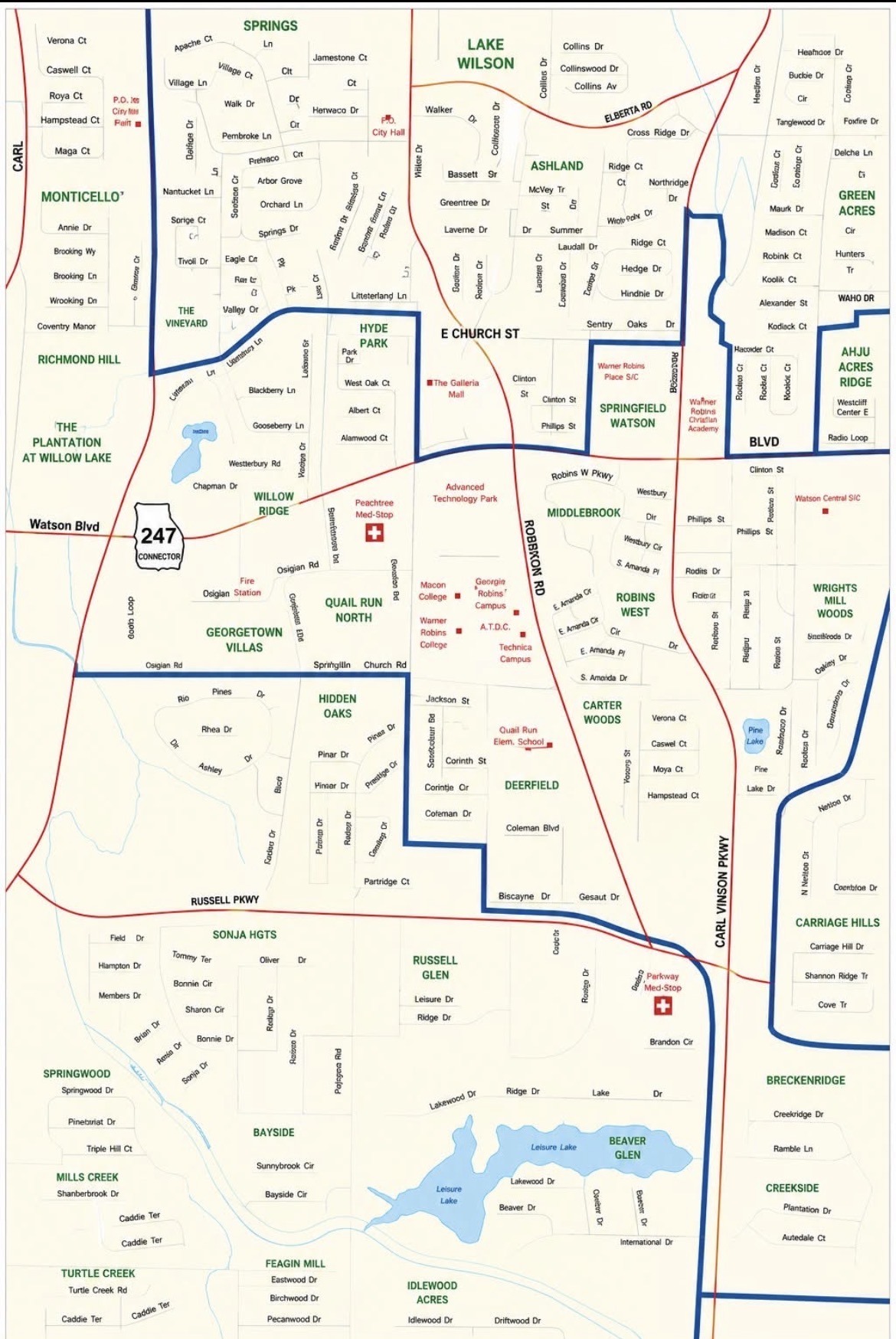
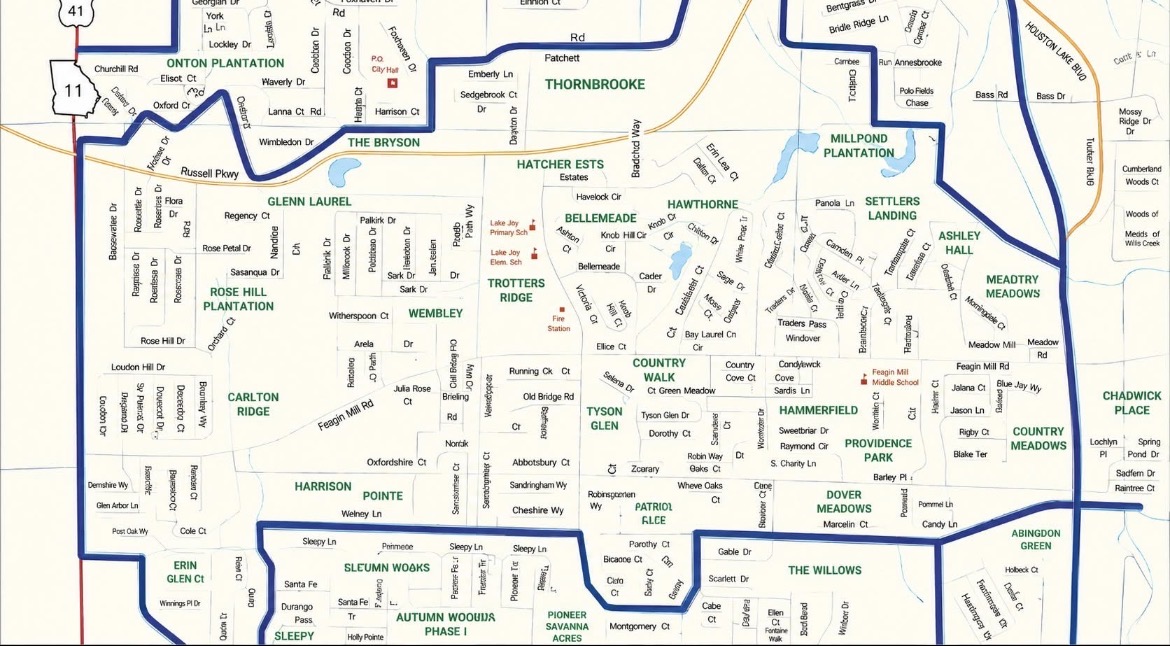
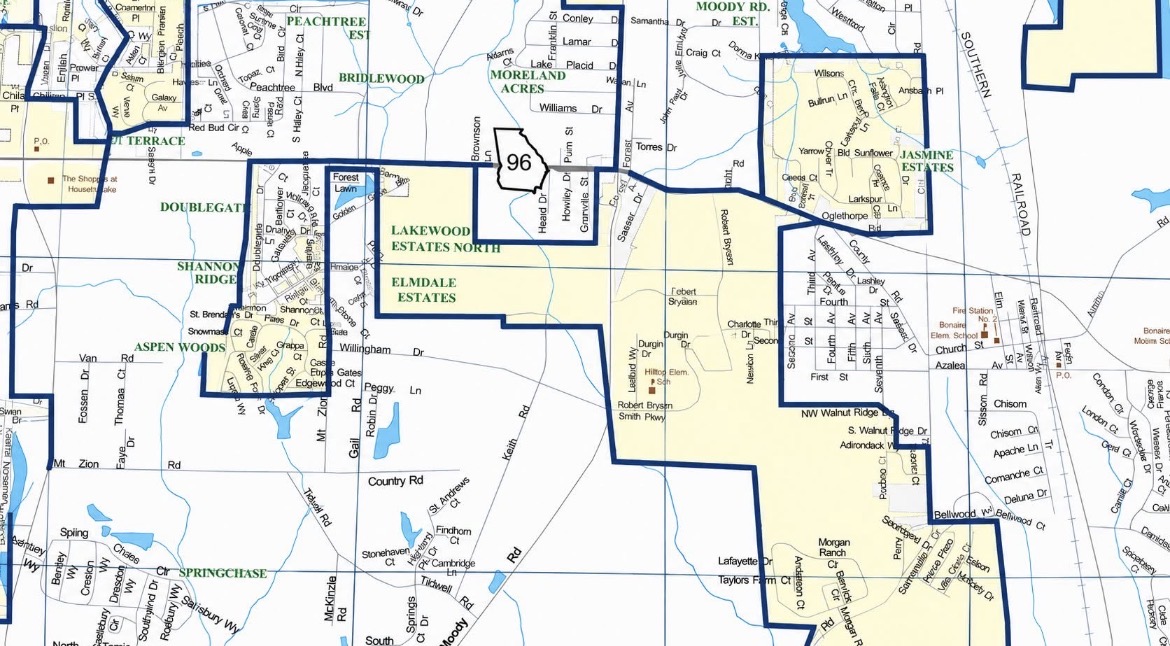
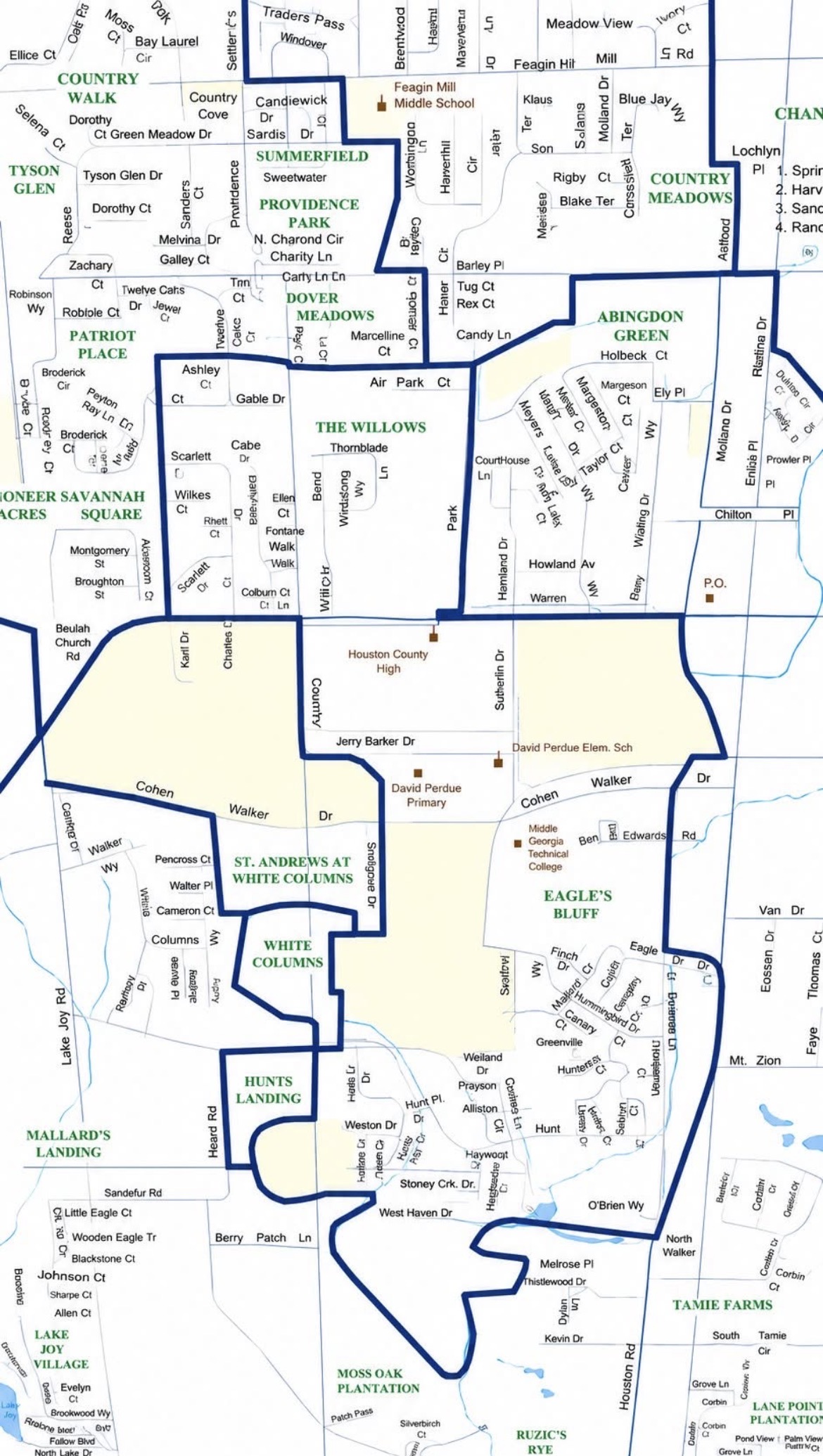
The city is divided into nine zones and spraying will be done over the course of one to two weeks, weather permitting.
The spraying will be done May 11 through May 14 between 6 p.m. to 9 p.m. Drinkard explained they target those hours to avoid spraying while children are playing outside.
“It is a safe product but we recognize that folks aren’t necessarily familiar with it. They may not be completely comfortable,” he said.
Drinkard added that the city realizes mosquitos can be a health threat and aim to control the population. He said they also hear citizens’ requests to continue the program.
“We’ll continue to do it for those two reasons,” he said.
The city will work through the zones in order.
To see your zone, visit the city’s Facebook page.
Before you go...
Thanks for reading The Houston Home Journal — we hope this article added to your day.
For over 150 years, Houston Home Journal has been the newspaper of record for Perry, Warner Robins and Centerville. We're excited to expand our online news coverage, while maintaining our twice-weekly print newspaper.
If you like what you see, please consider becoming a member of The Houston Home Journal. We're all in this together, working for a better Warner Robins, Perry and Centerville, and we appreciate and need your support.
Please join the readers like you who help make community journalism possible by joining The Houston Home Journal. Thank you.
- Brieanna Smith, Houston Home Journal managing editor
Paid Posts
Author

Related Articles

Byron woman sentenced to prison, banishment after shoplifting and identity theft
The Houston County District Attorney’s Office said she had seven prior convictions.

Centerville stabbing leaves one dead over the weekend, police investigating
A man is dead after a stabbing at a home in Centerville, Houston County Coroner James Williams and the Centerville Police Department confirmed.

Inmate dies in Houston County Detention Center, GBI investigating
A statewide agency is looking into a death at the Houston County Detention Center on July 19. This is a developing story.