
Take a ride with Mitch Moody, Vehicle Management Flight Chief
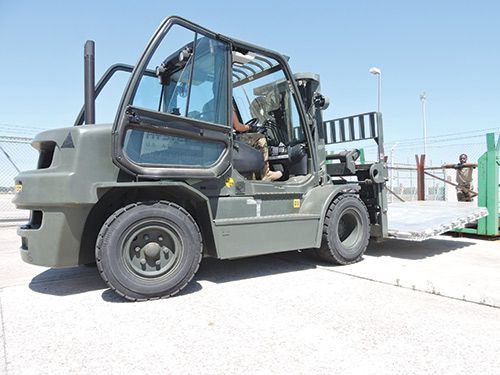
Mitch Moody, flight chief of the 78th Logistics Readiness Vehicle Management Flight at Robins Air Force Base, said his favorite part of the job is the people he is involved with in day-to-day operations.
After serving 22 years in the Air Force and traveling with his work to Japan, North Carolina, Germany, Illinois, Italy, Korea and finally to Warner Robins, he has been with civil service for 13 years.
“I really enjoy working here on Robins,” Moody said. “Just from the time I got here in 2004 to where we are today, I think we’ve seen great improvement in a lot of areas to include communications with each and other flights and the things we communicate with each other to make sure the mission is being met.”
Vehicle Management is an expansive operation, he explained.
“We’re responsible for 881 vehicles that are assigned at Robins Air Force base,” Moody said. “The Vehicle Management [Flight] has been contracting since 1981; out of that, our vehicle fleet is valued at roughly $95 million.”
His department also manages 243 lease vehicles belonging to the U.S. General Services Administration along with maintaining 638 Air Force-owned vehicles.
Vehicle Maintenance will work with a variety of vehicles and their components, including: aircraft motors, firetrucks, aircraft fuelers, aircraft tow vehicles, security forces vehicles, Humvees and five-ton mobilizers.
Common maintenance involves a “2354,” a 28-line item inspection spanning lights, brakes, wiper blades and transmission fluid levels among other things.
“We identify any discrepancies it [the vehicle] may have,” Moody said. “It’s also a PMI [Preventative Maintenance Inspection] that is loaded in DPAS [Defense Property Accountability System] as intervals at certain miles, or by day or by hours, that are driven by the TO 36-1-191 that tells us when a particular type of asset has to come into the shop for maintenance.”
Issuing a new vehicle for use on base requires a specific process, and Moody provided some insight.
“First, you have your requirement, right?” he said. “You have a base that says: ‘Hey, I need a vehicle to, let’s just say, pump fuel.’
“They come to us with a justification, and we go to VSCOS (Vehicle Support Chain
Operations Squadron) with that requirement. VSCOS approves that requirement, then it goes over to the item manager for purchase.”
The Vehicle Management Flight is housed in four different facilities, including: a 3,500 sq. ft. building for refueling and maintenance; 7,800 sq. ft. body repair shop; 4,600 sq. ft. customer service and tire center; and the main shop that is 48,000 sq. ft.
Staff involves 14 contractors, 4 Contracting Officer’s Representatives (CORs) evaluating contractor performance, administrative assistant and fight chief.
“Our contractors, their experience ranges from zero to 30 years,” Moody said. “My CORs, three of them are prior military, two of them have retired from Vehicle Management — and myself, I’m retired Air Force Vehicle Management.”
Inflation is currently affecting Moody’s department in certain indirect ways aside from the obvious rise in gasoline prices, he explained.
“We don’t issue or drive vehicles, so to speak — we maintain them,” Moody said. “But it does affect us indirectly by increased parts cost and delays some parts to be procured.
“But there’s no correlation; we do monitor fuel utilization as far as whether the vehicle is getting what it should be in terms of fuel mileage, but that cost doesn’t reflect back to Vehicle Management.”
Robins features around 42 hybrid or electric vehicles, including warehouse forklifts, tugs and a few sedans.
“We don’t have any sedans, pickup trucks or anything like that that’s totally electric yet,” Moody said. “The forklifts and tugs are totally electric; those are used mostly in warehouses.”
Moody then walked through a day in the life of his role as flight chief.
“My day will consist of coming into the office and checking emails, validating that my CORs are evaluating the contractors to make sure they’re doing their service summaries — which is how they evaluate the contractors based off the Quality Assurance Surveillance Program [QASP],” Moody explained. “I make sure that they are familiar with the requirements of the QASP, I make sure they are familiar with the vehicle maintenance changes that happen day to day — as technology advances, I make sure that they have the most current information that’s available to them.
“I [communicate] with all my employees to make sure — and that includes contractors — if they have any concerns or restraints that they’re not able to do their job, [I will] communicate that to leadership so we can remove any of those barriers that may be in front of them. The rest of the day is pretty much spent answering emails and ensuring that we’re compliant with AFIs [Air Force Inspection System] and directed to include environmental, safety, hazmat — anything that would apply to any vehicle maintenance shop in the Air Force.”
HHJ News
Before you go...
Thanks for reading The Houston Home Journal — we hope this article added to your day.
For over 150 years, Houston Home Journal has been the newspaper of record for Perry, Warner Robins and Centerville. We're excited to expand our online news coverage, while maintaining our twice-weekly print newspaper.
If you like what you see, please consider becoming a member of The Houston Home Journal. We're all in this together, working for a better Warner Robins, Perry and Centerville, and we appreciate and need your support.
Please join the readers like you who help make community journalism possible by joining The Houston Home Journal. Thank you.
- Brieanna Smith, Houston Home Journal managing editor
Paid Posts
Related Articles
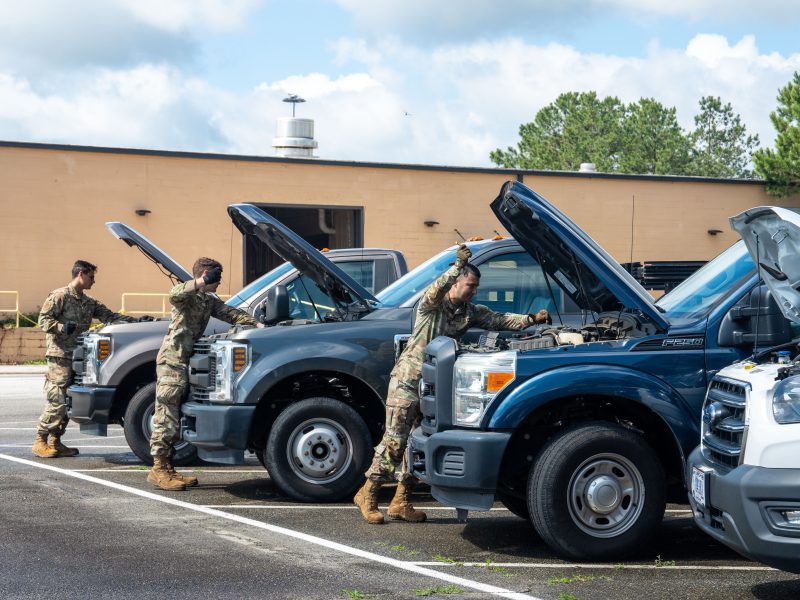
This is Robins: Ground Transportation Unit keeps Robins Air Force Base moving
The Ground Transportation Unit at Robins Air Force Base’s Logistics Readiness Squadron quietly powers base operations by moving personnel, equipment and dignitaries worldwide while adapting to unique mission demands.
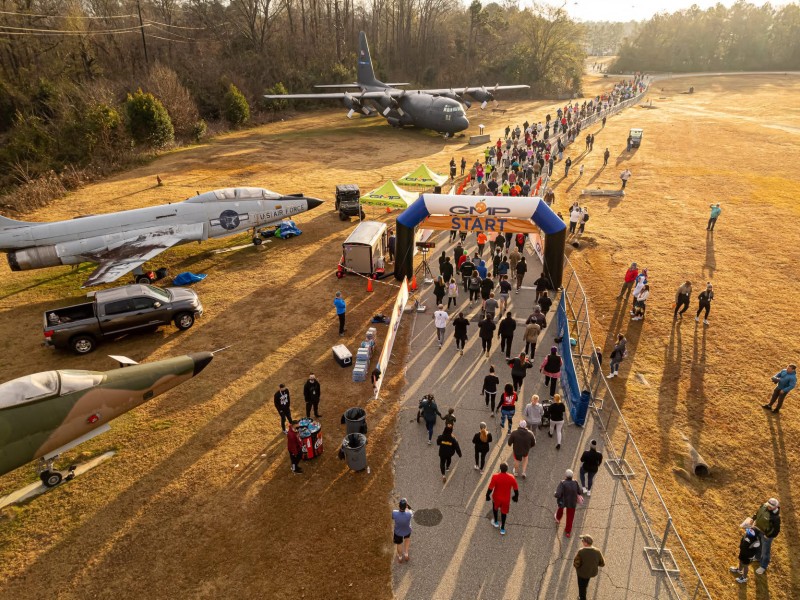
Museum of Aviation’s Run for Aviation race and fundraiser reach huge milestone
In this month’s This is Robins, we highlighted the Museum of Aviation’s Run for Aviation race and fundraiser as it reaches its 30th annual this weekend.
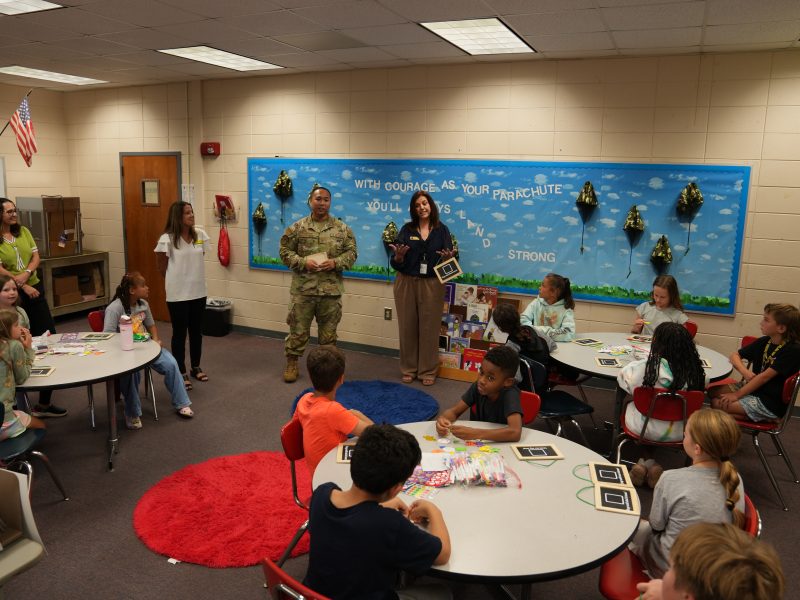
Robins’ School Liaison Program: setting students up for success
Ensuring children receive a quality education is vital for families, especially those in the military. At Robins Air Force Base, a special program serves as a beacon of hope, helping families navigate the challenges they face.