
Ride Robins advocacy group rolling out, thanks to two local bicycling enthusiasts
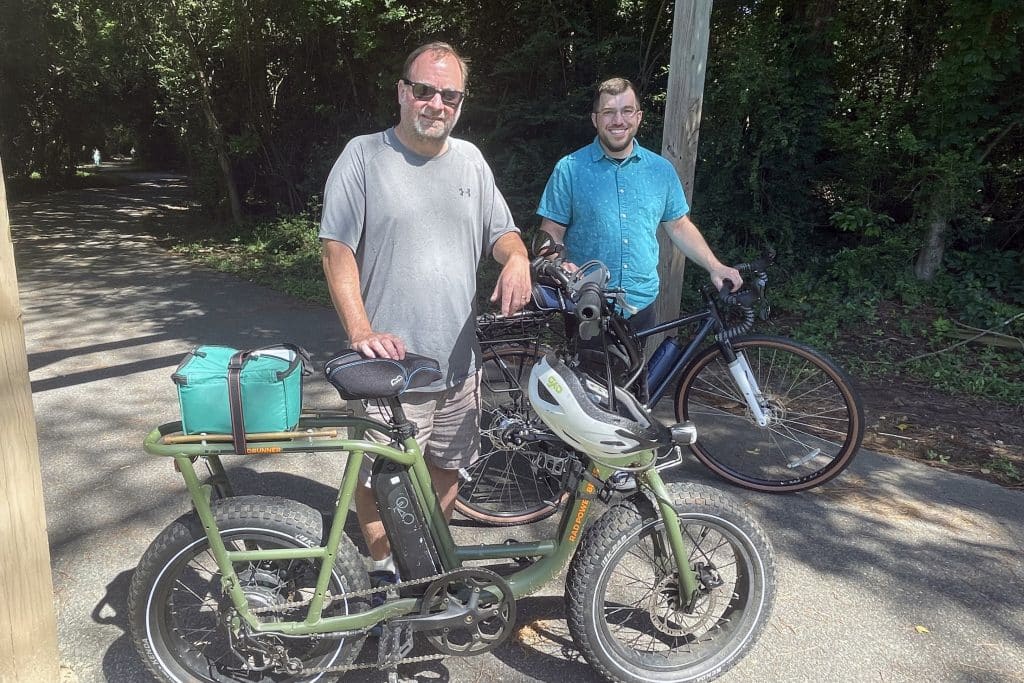
Stephen Rollyson and Tim Bergl started Ride Robins after meeting in November of last year, and are hoping to build a community of bicycling enthusiasts and bring positive change to the region.
WARNER ROBINS — Biking can be seen as an enjoyable way to get some exercise and get from place to place.
Locally, two biking enthusiasts are banding together to build a community of bicyclists and promote a bike-friendly region. Stephen Rollyson and Tim Bergl are cofounders of Ride Robins, a bicycling and micromobility advocacy organization.
Rollyson grew up in Warner Robins and was among the kids who would take to the streets on their bicycles and ride around neighborhoods. He would bike to work when he lived in Atlanta.
When he moved back to Warner Robins, Rollyson was car-dependent but picked up biking again about a year ago after encouragement from a coworker. When he found safe places to travel, he brought his family along for the ride.
“It’s not Watson, it’s not Russell, it’s not Houston Lake, but there’s a lot of residential streets where you can get around. Now that I’ve been doing it, my wife and seven-year-old, they ride an e-bike with me, and we’ll go off to a store or restaurant, and you can definitely make it work. We have so much fun going to parks and things, with our two bikes,” Rollyson said.
Originally from Pittsburgh, Bergl moved to Warner Robins in 2005. Around 2020, Bergl started riding around town, immediately noticing the state of bicycle-friendly infrastructure around the city.
“Once I started riding around Warner Robins, I realized that A: there were a lot of safe, comfortable routes around the city that already existed. And B: those places that don’t feel safe or that are a little clumsy, could be fixed relatively easily. And that’s what I began to become passionate about [it,]” Bergl said.
After meeting each other at a Warner Robins Area Transportation Study meeting in November, Rollyson and Bergl found they have common interests and a desire to improve their community.
“We’re both advocates for pedestrian and cycling infrastructure and safety and we just kind of got talking after the meeting, like, ‘Yeah, we should do something. We should create an advocacy organization ourselves,’” Rollyson said.
“Both of us were actually, in our own minds, thinking that was something we wanted to do at some point. And so when we met at that meeting, it was like, well, obviously, let’s just do this together. It just made sense,” Bergl added.
Ride Robins’ website launched in January, and since then, Rollyson and Bergl have been laying the groundwork for their organization, partnering with Georgia Bikes, a statewide non-profit, and beginning outreach to other biking enthusiasts.
“I think there’s a lot of latent demand for this sort of thing: cycling and active transportation. You see a lot of cyclists around town. And it’s just a matter of saying, ‘Hey, let’s all get together and start talking about how we can work together,’” Rollyson said.
A member of the Warner Robins Area Transportation Study Citizens Advisory Committee, Rollyson is hopeful to educate the public on bicycle safety and give the city ideas for improvement from a bicyclist’s perspective. He is hopeful to build a community of enthusiasts through Ride Robins, to not only have activities but also map out safe locations to bike and show how much public support there is for bike accessibility.
“It’s one thing to imagine in your head, like, ‘Hey, I think this would be a good idea.’ And it’s another thing if you get 20 people out on a bike ride, like to actually see there’s people doing this,” Rollyson said.
Bergl added he is interested in the economic impact of promoting bike-friendly infrastructure and agreed with Rollyson on educating the public and officials on simple ways to improve the city’s bicycle network, such as improved signage and utilizing neighborhoods as designated bike routes. Rollyson said more improvements could encourage more people to start biking.
Rollyson said cities that are improving their networks, like Savannah, Macon and Atlanta, have seen significant economic growth. According to Bergl, Warner Robins already has a viable network they can improve, so they’re not looking to be critical, nitpick the city, or reinvent the wheel.
“Because of the way Warner Robins in particular has developed, as a post-war suburban city, we also have a wonderful sidewalk network … Cities throughout the US and throughout the world use what’s called neighborhood greenways. Basically, they take neighborhood streets and they turn those into the bike routes through their cities,” Bergl explained. “Warner Robins has got a lot of real low-hanging fruit in those kinds of routes. Riding through these neighborhoods around here is very pleasant and I can get to a lot of places by cutting through the neighborhoods.”
Also according to Bergl, the biking community is currently underrepresented and is larger than typically believed by the public.
“When you’re going down Russell Parkway or going down Watson Boulevard or wherever you’re going, pay attention and you will see people out and about on bikes everywhere you go. So, I think a lot of those people are under-represented and hopefully, we can help make Warner Robins easier for those people,” Bergl said.
Rollyson and Bergl see many benefits to biking. Bergl said while he does still like his car, many places he bikes are accessible and if planned right, seldom cross major thoroughfares. Bergl also believes the city has a unique feel behind the handlebars and explained the importance of interacting with the natural world.
“When you see the world from a bike instead of from behind the windshield, it’s dramatically different. And until you experience that, I don’t think you really have any sense or feel for what the city feels like, in actuality,” Bergl said.
Rollyson said the social aspect is a benefit. He said he stops to chat while on his commute to work, while Bergl counted speaking to eight strangers during his travels Wednesday morning.
“Now and then, I run into one of my neighbors or neighbor’s kids. I’m like, ‘Hey, how’s it going?’ and stop and talk. That’s something that you don’t really do when you’re kind of isolated in your car,” Rollyson said.
Additionally, Bergl said cutting back on the car can save money on maintenance, while Rollyson said choosing a bike is a more affordable way to promote independence for children and teens.
“We try and instill independence in our children as they start getting up in their teenage years. A car? A lot of people can’t afford to give their kid a car. It’s very expensive. But a bicycle? You see kids going to their friends’ houses, going to school and stuff on their bicycles, and I think that’s a really cool thing,” Rollyson said.
As for Ride Robins, Rollyson said there is an avenue for any bicyclist to get involved. The organization is planning biweekly rides to city events and at Fountain Park, weather permitting.
Their next ride is Saturday, June 1, starting at 10 a.m. They will meet at Fountain Park, then ride to the city’s upcoming Summer Bazaar at Perkins Field.
Upcoming events and more information on the organization can be found here.
Before you go...
Thanks for reading The Houston Home Journal — we hope this article added to your day.
For over 150 years, Houston Home Journal has been the newspaper of record for Perry, Warner Robins and Centerville. We're excited to expand our online news coverage, while maintaining our twice-weekly print newspaper.
If you like what you see, please consider becoming a member of The Houston Home Journal. We're all in this together, working for a better Warner Robins, Perry and Centerville, and we appreciate and need your support.
Please join the readers like you who help make community journalism possible by joining The Houston Home Journal. Thank you.
- Brieanna Smith, Houston Home Journal managing editor
Paid Posts
Author

Related Articles
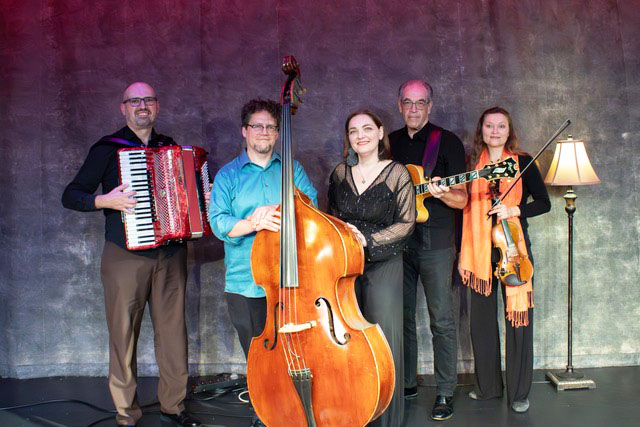
Warner Robins Community Concert Association presents Hot Club Jazz Fellowship
The Warner Robins Community Concert Association will host a Hot Club Jazz Fellowship on Sunday, March 1, at First United Methodist Church.
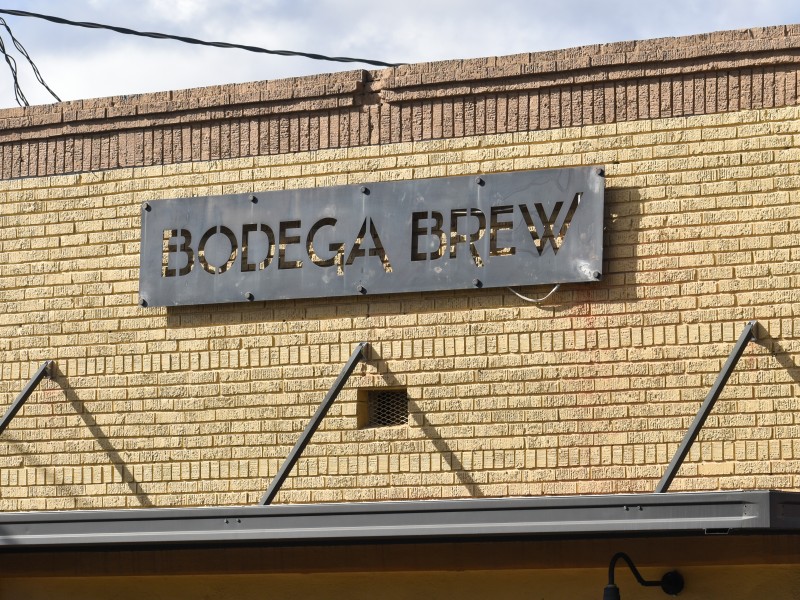
Bodega Brew hosts Velvet Cat Murder Mystery next week
Bodega Brew will transform into a 1920s speakeasy as they will be hosting the Velvet Cat, a murder mystery event on Tuesday, Feb. 24, starting at 7 p.m.
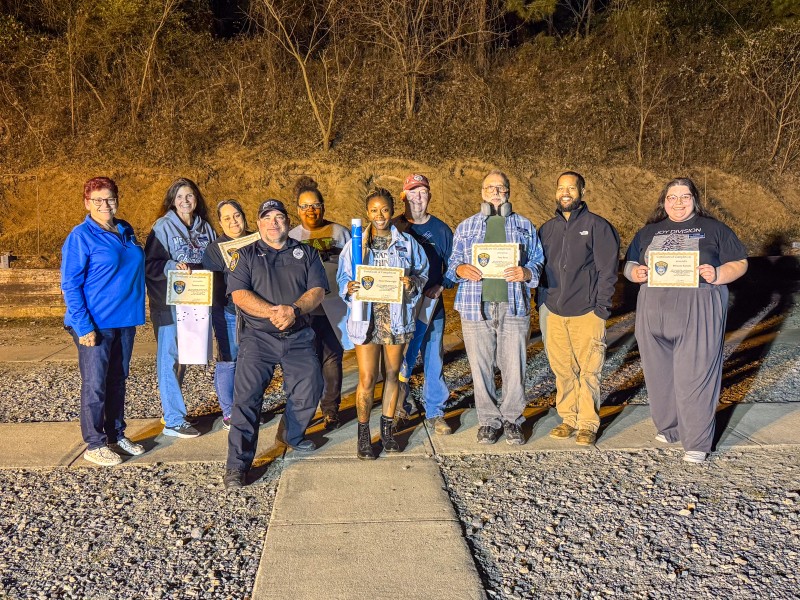
Warner Robins Police Department offering an inside look at law enforcement with Citizens Police Academy
The Warner Robins Police Department will once again host their Citizens Police Academy for this spring. The course give you a look at how the police department operates.