
Procuring pepper plots
Peppers are in the spotlight this week as we look at one of the most fun garden crops to grow.
Peppers are in the spotlight this week as we look at one of the most fun garden crops to grow. Like tomatoes and potatoes, peppers are members of the nightshade family (Solanaceae). Despite the great differences in growth patterns and fruiting habits, all garden peppers belong to the same genus and species, Capsicum annuum. The tabasco pepper, from which the famous sauce is made, belongs to a different species, C. frutescens.
There are peppers to suit every taste, from sweet, near fruity bells to flaming hot pods. The fruits come in a wide spectrum of color, from dark, almost chocolate to shiny green to bright red, yellow, and orange. Pepper plants do not take up a lot of space, and the attractive, compact plants with their shiny green leaves and colorful fruits are welcomed in the flower garden as well as the vegetable garden.
There is another reason to grow peppers too—a nutritional one. Peppers actually contain more vitamin C than tomatoes: five to ten times as much by weight. As peppers ripen, their vitamin C content increases, which helps to give that sweet, fruity flavor to the sweet varieties. A mature pepper can have up to 70 times as much vitamin C as an immature fruit, prompting some people to wait to pick the fruits until they are mature.
Ever wonder why some peppers are hot and some are not? The peppery hotness of tabasco, chili, jalapenos, and some bell peppers is caused by a group of related chemicals called capsaicinoids. These chemicals are located in the placenta, the fleshy tissue inside the fruits which supports and nourishes the seeds as they develop. Even the sweetest bell peppers contain some capsaicinoids, and as you may have guessed, the degree of hotness is determined by the amount of capsaicinoids present in the pepper.
How to grow peppers? Peppers should be treated pretty much like tomatoes, and everybody grows tomatoes, and probably right alongside peppers. Pepper plants have a fibrous root system. If the topsoil is deep and friable, their roots can reach as far down as two feet and outward from the main stem as far as three feet or so. Peppers prefer a fairly high level of nitrogen, growing best in good, rich soil.
Like tomatoes, peppers will grow roots all along the buried portion of the stem, so when planting them it is good to plant them deeply, up to the first set of leaves. Spacing them 18 to 24 inches apart is generally recommended.
Pepper roots are somewhat temperature sensitive, in that soil temps of around 85 degrees or above and 50 degrees or below will stunt the roots, and therefore, plant growth. A mulch laid around your peppers as soon as the soil warms up would greatly benefit them. This acts as a buffer zone, keeping the soil temps around the roots from rising. If you set out your peppers early when the soil is cool, a layer of black plastic will serve to warm the soil.
Peppers are beset by many of the same problems as their tomato kin, with blossom end rot, tobacco mosaic virus, sunscald, cutworms, etc. Stay tuned for recommendations in future articles on how to corral these and other pepper pests. Meanwhile, good luck with your peppers!
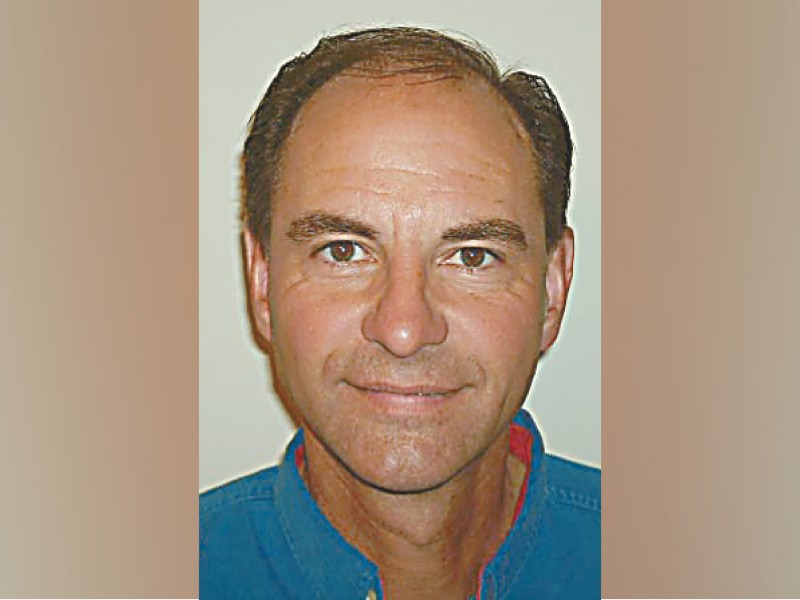
Tim Lewis is a Georgia Green Industry Association Certified Plant Professional, gardening writer, and former Perry High School horticulture instructor. He can be reached at (478)954-1507 or timlewis1@windstream.net.
Before you go...
Thanks for reading The Houston Home Journal — we hope this article added to your day.
For over 150 years, Houston Home Journal has been the newspaper of record for Perry, Warner Robins and Centerville. We're excited to expand our online news coverage, while maintaining our twice-weekly print newspaper.
If you like what you see, please consider becoming a member of The Houston Home Journal. We're all in this together, working for a better Warner Robins, Perry and Centerville, and we appreciate and need your support.
Please join the readers like you who help make community journalism possible by joining The Houston Home Journal. Thank you.
- Brieanna Smith, Houston Home Journal managing editor
Paid Posts
Author

Related Articles

O Come, All You Unfaithful
Several years ago, someone shared a “new song” on social media, and without investigating any further, I sort of rolled my eyes and ignored it.

Time traveler who foresaw the first Christmas
Isaiah wrote his prophecy 700 years before Jesus’ birth, yet the prophet sounded like a time traveler who actually witnessed the birth, ministry, and execution of Jesus.
Christmas traditions around the world
Christmas is almost here!