Prison may not be the answer
Dear Readers,
The convictions of Derek Chauvin are a peek into what is right and wrong with our criminal justice system. It gives us pause to its lattice and purpose.
The reason we have a criminal justice system dates back to the kings of the Middle Ages (and which, in part, was a motivation for the great Magna Carta at Runneymede). As the Crown was consolidating power from the Barons, it could offer everyone some order, the “King’s Law.” By establishing rules, laws and procedures to adjudicate disputes amongst vassals and peasants, the king acquired the power of justice. If a neighbor stole a cow, a farmer could turn to the King, instead of plotting revenge.
If you think about, this was a neat trick. A criminal justice system creates an arena to temper grievances. It also elevated the King as the first amongst equals by doing so.
In the United States, the criminal justice also has had a purpose of establishing order, but with the mantle of a political purpose. The federal government’s military subjugation of tax avoiders during the Whiskey Rebellion was technically a campaign against criminals. It also served to put states on notice that the federal authority was supreme in this country.
Prohibition was as much about quelling a thirst for alcohol, as it was about trying to suppress immigrant citizens from Ireland, Poland, and Southern Europe (mainly Italy). The repeal of it was a recognition of the folly of such blatant social engineering in criminalizing alcohol.
Unfortunately, our policing system also has a strong racial vein to it. Prior to the Emancipation Proclamation, Southern states took great pains to make it illegal to harbor and free former slaves in the North, the territories, and newly hatched states. The Compromises of 1850 and 1820 included legislation that negated the idea that a slave could escape to a free territory or non-slave state and be forever free. The Dred Scott decision in 1857 dashed the hopes that a slave owner’s grasp stopped at the border states.
In the years after Reconstruction, police power became an arm of racism. Thousands of black men were swiftly hung after all-white male juries reached a guilty verdict in summary trials. Tulsa Oklahoma was razed by a racist mob and none answered for that abomination. Not to be overlooked, were the use of criminal laws in the North to keep black populations subjugated.
Police power was symbolically represented by the assault of water cannons on the Emmet Pettus Bridge and the murdered Freedom Riders in the early 1960s, with no successful prosecutions. Laws were passed barring mixed-race bathrooms, water fountains, and marriages, convicted felons from possessing firearms or voting. All of this was designed to perpetuate the vestiges of slavery; designed to make the same type of power expression first emanating from Buckingham Palace.
Outside of these pernicious uses of criminal justice, prison has a purported twin purpose of rehabilitation and punishment. By putting out in the social consciousness that certain activity will carry with a hefty cost, we hope that it deters bad behavior. This may work with “slow” crimes like planned financial crimes or some drug trafficking, where a person weighs the costs of committing illegal acts, against the risks from apprehension; when it comes to murder or desperate acts by the addicted or mentally ill, this idea of deterrence is rarely relevant. Bernie Madoff got away with his scamming for decades and lived a prosperous life, one wonders if he would have done the same thing all over again, even though it meant dying in prison.
What the criminal justice has become is synonymous with a system designed to protect ourselves against “them.” The United States Supreme Court ruled last week a barely severely abused and troubled 15-year-old can be sentenced to life without the possibility of parole, so we can lock away a child and protect us from him. The mentally ill fill our jails and prison, so we can isolate them from us. Drug addicts and users are caught in a net of almost useless drug prosecutions and locked away from us, as if that will keep us from our own sinning. Where is the notion of rehabilitation?
With Derek Chauvin the system worked and a heartless man is being sent to prison. The family of George Floyd will never be satisfied with the result; it will never bring their loved one back. The arena of the courtroom gave them some measure of catharsis, some recognition that George Floyd was a victim of a senseless crime, killed because of a $20 counterfeit bill. They do not need to take to the streets to seek revenge, just as the farmer in Wales could turn to the Crown because of a stolen cow.
When Derek Chauvin is sentenced, he could get up to 40 years in prison. He won’t. He has lost his profession, he will certainly lose his freedom for a decade, he has suffered a public embarrassment. Putting him behind bars does not bring George Floyd back. What sentence, then, is appropriate to punish him sufficiently? Do we punish the man, the act, equate prison with the family’s loss? He has already lost everything, his life is a shambles.
There is no question that, in his own twisted way, Derek Chauvin thought he was just doing his job. He is probably not a threat in the future to other citizens, his power trip is over. What does it do society to make him an example of perfidy?
This is also true of the drug “mule” or the soulless burglar or robber, with little hope or example of living a virtuous life. We see someone like Paul Manafort grift from this country, even undermine or democracy, and he walks away from his crimes still rich.
The point of all this is that a criminal conviction should have different purpose than protecting us from “them.” Yes, we need our families and our homes protected. Yes, we need our children protected from monsters. We should be able to separate these phantasms from ordinary citizens, who never really had a chance or only wanted to live a “fast life.” Prison may not always be the answer.
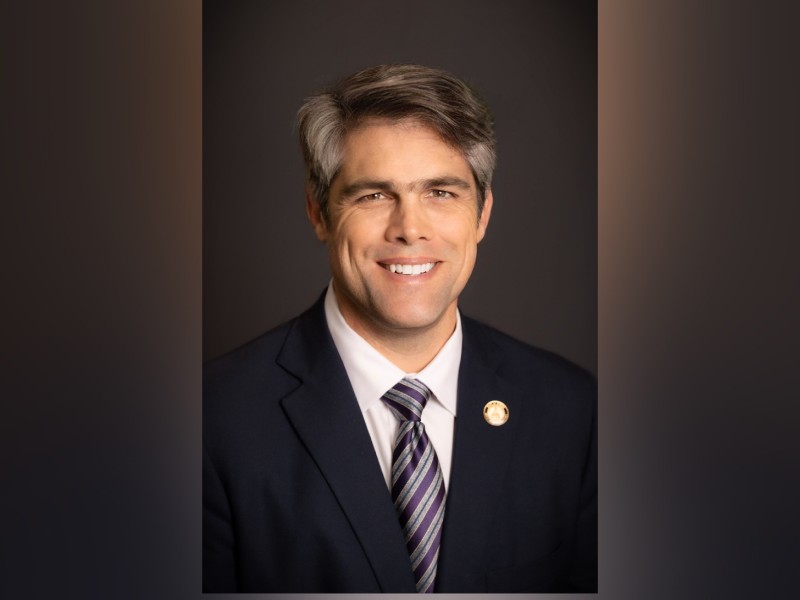
Warner Robins Attorney Jim Rockefeller is the former Chief Assistant District Attorney for Houston County, and a former Assistant State Attorney in Miami. Owner of Rockefeller Law Center, Jim has been in private practice since 2000. E-mail your comments or confidential legal questions to jim@rockefellerlawcenter.com.
HHJ News
Before you go...
Thanks for reading The Houston Home Journal — we hope this article added to your day.
For over 150 years, Houston Home Journal has been the newspaper of record for Perry, Warner Robins and Centerville. We're excited to expand our online news coverage, while maintaining our twice-weekly print newspaper.
If you like what you see, please consider becoming a member of The Houston Home Journal. We're all in this together, working for a better Warner Robins, Perry and Centerville, and we appreciate and need your support.
Please join the readers like you who help make community journalism possible by joining The Houston Home Journal. Thank you.
- Brieanna Smith, Houston Home Journal managing editor
Paid Posts
Author