
New report shows need for military spouse support, like what I’ve passed in Georgia
Many Americans appreciate military families’ extraordinary sacrifices, yet the needs of military spouses are all too often treated as an afterthought.
Many Americans appreciate military families’ extraordinary sacrifices, yet the needs of military spouses are all too often treated as an afterthought. While service members protect our nation, their partners are left to navigate a system that consistently overlooks their economic and emotional well-being. Career disruption, frequent relocations, and limited access to childcare and mental health support aren’t just inconveniences, but are also persistent barriers to stability.
A recent report commissioned by Philip Morris International (PMI) confirms what military families have long known: Our systems are failing those who quietly bear the weight of service. Military spouses face unemployment rates five times higher than the national average, and even when they are employed, they often earn far less than their civilian peers. The emotional toll, stemming from solo parenting during deployments and caring for injured or transitioning service members, is just as real, though far less visible.
This report doesn’t just highlight a problem; it calls for action. It affirms what many of us who’ve lived the military spouse experience already know. As a military spouse, we’ve navigated cross-country moves, the strain of deployments, and the challenge of keeping our careers afloat. Even with the flexibility of my profession as a teacher, I never had continuity. Starting over every few years made it difficult to build lasting career momentum, and many spouses face the same struggle.
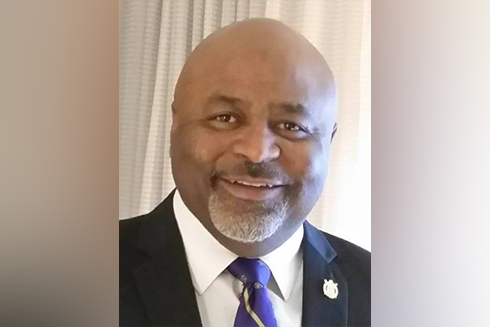
Now, as a legislator representing Warner Robins and the proud communities surrounding Robins Air Force Base, I carry those experiences over into my policy work. That’s why I championed House Bill 880 during the 2024 legislative session which allows military spouses to transfer professional licenses from other states to Georgia within 30 days of applying. Before this change, because of bureaucratic delays and red tape, spouses were often forced to wait six to nine months to transfer their licenses, leaving them without income and unable to use their skills to contribute to our state. Now, they can begin the process before they even arrive.
It’s a simple fix with a big impact, and it’s exactly the kind of action that PMI’s report shows we need more of.
In addition to raising awareness, PMI is taking meaningful action, committing more than $3 million in 2024 to organizations, such as the Elizabeth Dole Foundation and the Veteran Spouse Network. They’re also launching a hiring initiative in 2025 to bring flexible, family-friendly employment to bases across the country. These efforts are complemented by countless businesses and nonprofits aiming to support military families.
Still, House Bill 880 and PMI’s report should be seen not as the finish line, but as a foundation. Georgia has the opportunity and the responsibility to keep building. We need to modernize how we support military spouses across the board.
That starts with creating pathways for military spouses to access meaningful careers, no matter where they are stationed. We need to streamline licensing processes further so that skilled professionals can seamlessly continue their work without unnecessary delays. It also means expanding access to affordable, reliable childcare near military bases, and ensuring parents don’t have to choose between advancing their careers and raising their children. And we must prioritize mental health support for spouses and caregivers who often bear emotional burdens without the resources they need.
When we do this, we’re not just helping individuals. We’re investing in families who are the backbone of our military readiness and the strength of our communities. Military spouses aren’t asking for special treatment, they’re asking for a fair shot at stability, dignity, and opportunity.
PMI’s report adds urgency to this conversation. It doesn’t just confirm the challenges; it maps a path forward. For policymakers, for employers, for all of us, it’s a call to match our gratitude with action.
Georgia has already proven that meaningful change is possible. Let’s keep going because behind every service member is a family doing their part. It’s time our systems did theirs.
Before you go...
Thanks for reading The Houston Home Journal — we hope this article added to your day.
For over 150 years, Houston Home Journal has been the newspaper of record for Perry, Warner Robins and Centerville. We're excited to expand our online news coverage, while maintaining our twice-weekly print newspaper.
If you like what you see, please consider becoming a member of The Houston Home Journal. We're all in this together, working for a better Warner Robins, Perry and Centerville, and we appreciate and need your support.
Please join the readers like you who help make community journalism possible by joining The Houston Home Journal. Thank you.
- Brieanna Smith, Houston Home Journal managing editor
Paid Posts
Related Articles

Thanatophobia could happen to you
I’m not picking on the Tax Assessors today. Instead I’m writing about thanatophobia.

‘Toon’ In for March — Jim Balletto
March’s comics from Jim Balletto.
Time to listen, think and choose
Qualifying has completed. Candidates have declared. Communities must make a choice.