
Georgia’s Co-Responder law in HoCo
HOUSTON COUNTY, Ga. — As of July 1, the State of Georgia has enacted the “Georgia Behavioral Health and Peace Officer Co-Responder Act.” Approved by the Georgia House of Representatives and the Georgia Senate, the bill establishes “co-responder” programs across the state, encouraging peace officers and mental health professionals to work closely together, sometimes on scene, to ensure the best outcome for those experiencing behavioral health crises.
As the program ramps up statewide, Houston County citizens can expect the same here locally. Soon, officers from county and municipal law enforcement departments could work side-by-side with behavioral health professionals during calls where they would be best equipped and seek additional training to outfit them for situations involving mental or emotional illness.
Middle Flint Behavioral Healthcare has been working in Houston County to implement a “Community-Based Crisis Response Team.” The team is accessible to law enforcement officials after regular business hours and can provide support via phone or by dispatch to the scene.
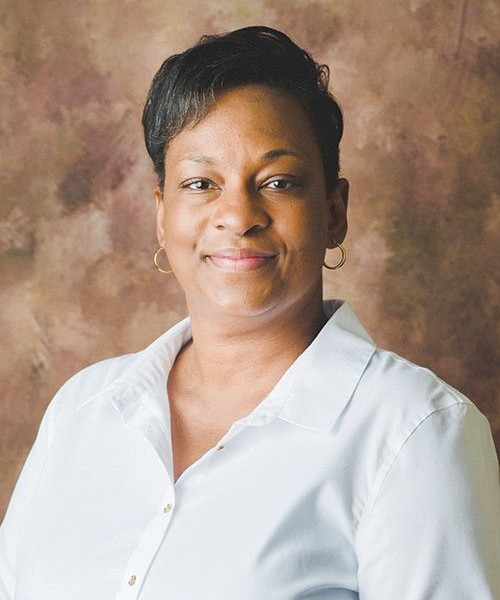
Angela Holt, CEO of Middle Flint, told The Journal that the goal of the Co-Responder Act is to assist those that otherwise might be incarcerated.
“The Georgia Behavioral Health and Peace Officer Co-Responder Act are intended to combine the expertise of peace officers and behavioral health specialists to de-escalate behavioral health crises, prevent unnecessary incarceration of individuals with a mental or emotional illness, developmental disability or addictive disease, and instead, link those in crisis to services that promote stability and reduce the likelihood of recurrence, decrease the costs incurred by prisons and jails to incarcerate such individuals and allow law enforcement officers outside of the co-responder teams to focus on crime,” Holt explained. “By bringing law enforcement and behavioral health services providers together, the communities served will benefit by having more informed and trained law enforcement and more accessible behavioral health providers when there’s a crisis.”
Middle Flint’s team rolled out on the day the bill was passed July 1. Local law enforcement can use a toll-free number — manned 24 hours of the day, each day of the week — and Holt said that while “on-the-scene,” mental health professionals “can conduct crisis assessments and support as needed.”
“As we’ve seen with other co-responder teams in other counties, we hope to increase access to services for those individuals in crisis during non-traditional hours,” Holt said. “We also hope that our efforts improve mental health awareness and wellness community-wide. At Middle Flint, we put our communities first. The people and their well-being matter to us.”
Chief Billy Rape confirmed that the Houston County Sheriff’s Office is reviewing the bill, and Interim Chief Alan Everidge with the Perry Police Department told The Journal that his department has begun implementation.
“We’ve had discussions with Middle Flint as well as the Department of Developmental Disabilities,” Everidge said. “We have a general operation plan on how we’re going to do things.
“I think it’s still going to have to be adjusted as each entity learns what we can do with the resources we have and based on the calls for services. Our officers are receiving some extra training, and we’ve given them some guidance on what to do when we receive these calls. It’s still our job to respond when someone calls 911 — we will check on welfare, we will try to determine, during a basic interview if possible, the situation the person may be in. If it’s headed to a crisis mode where they are a threat to harm themselves or others, if there is a criminal charge there, our goal is to get them the proper help they need. It does not excuse a crime if there is a criminal act there, but getting them mentally stable will be our first priority to try to protect them and the citizens within the community.”
Everidge said that when dispatched to a call of this nature, Perry Police would contact Middle Flint and the Georgia Crisis and Access Line.
In addition to creating Co-Responder teams, the bill allows for law enforcement officers to receive additional training to prepare them for these instances and allows individuals to be transported to a mental health facility for “emergency evaluation.”
HHJ News
Before you go...
Thanks for reading The Houston Home Journal — we hope this article added to your day.
For over 150 years, Houston Home Journal has been the newspaper of record for Perry, Warner Robins and Centerville. We're excited to expand our online news coverage, while maintaining our twice-weekly print newspaper.
If you like what you see, please consider becoming a member of The Houston Home Journal. We're all in this together, working for a better Warner Robins, Perry and Centerville, and we appreciate and need your support.
Please join the readers like you who help make community journalism possible by joining The Houston Home Journal. Thank you.
- Brieanna Smith, Houston Home Journal managing editor
Paid Posts
Related Articles

Hawkinsville man sentenced for trafficking methamphetamine in Houston County
Draymond Brooks of Hawkinsville was sentenced to 30 years with the first 15 years to be served in prison for trafficking methamphetamine in Houston County. Brooks also has to pay a $200,000 fine and will be banished from the county.

Young entrepreneur set to open Brass Tap in Warner Robins this summer: ‘A community investment’
A 24-year-old entrepreneur is venturing into a career in business by bringing a new community spot to his hometown.
Centerville Councilwoman Velicia Lowe believes empowered women empower women
Centerville Councilwoman Velicia Lowe shared what womanhood means to her, and how she remains a leader in her community.