Embracing soldiers needs when they come home
Dear Readers,
We send our young men and women
to war and, sadly, as a society, we often fail to embrace the need for healing,
when they return from War. History is replete with instances where, maybe
with the exception of our World War II “greatest generation,” we fail to truly
embrace and honor the sacrifices our military servicemen and women made for us.
Laws are often discussed or passed to either provide protection or some
benefits to our veterans. For example, if you want a government job, you
receive preference for having served in the military. VA loans have far
more generous terms than a private market loan. Medical benefits
and even VA disability benefits are also far more generous than what is
available for the non-military. GI Bill benefits have been expanded, post
9-11, to make it easier for service members to capitalize on the significant
college education benefits offered in exchange for serving our country.
But, it is not just as veterans that our military personnel receive additional
protections. There is something called the “Service Members Civil Relief
Act” (SCRA), which offers active duty military, reservists, and guards men and
guards women, significant protections from civil suit and credit and contract
limits. In one form or another, the principle (of providing protection
from suit during miliary service) traces back to the Civil War, when soldiers
were immune from suit during that great conflict.
The current iteration, the SCRA, continues a modern tradition of offering
service members more than just protection from suit. In certain
circumstances, service members may have the right to terminate leases
(residential and motor vehicle), commercial credit (such as credit cards) may
be capped at no more than 6%, automatic life insurance benefit increases, and
forms of tax relief.
In addition to the SCRA (which is a national law), many states are starting to
look more closely at predatory lending practices known as “payday” loans, where
exorbitant interest rates are charged for short-term loans until paychecks
arrive. These types of loans are particularly popular around military
bases, probably because paychecks are once-a-month. Georgia, thankfully,
has a pretty strong statute, yet, even here these loans are only capped at 60%
annually.
When it comes to the justice system the SCRA provides that if a civil lawsuit
is filed and notice given the member, the member can request that the court
action be “stayed” (or stopped, if you will “for a period not less than 90 days”). This is not mandatory, although
such a request will routinely be granted if the member has been sent to a “war
zone”.
Additionally, active duty military members are protected from
things like “default judgments,” and evictions.
This part of the SCRA has recently been in the news, as we learn more about the
bank foreclosure mess. As many of you may have seen, the mortgage crisis
was such a disaster, banks had no idea what type of mortgage paperwork they
had. Signatures were falsified, paperwork was missing, and, when laws
were passed designed to avoid foreclosures, rules were violated.
It turns out it was even worse. In conducting audits required by the
Federal Reserve in settlement of claims against major banks, relieving the
banks of possible criminal penalties, over 700 instances were discovered where
service members had their homes foreclosed upon (in direct violation of the
SCRA), while they were overseas protecting our country.
One such instance involved Sgt. James B. Hurley and his home outside Hartford,
Michigan. While he was in Iraq, Deutsche Bank foreclosed on his home.
Yes, that’s correct our Government sent him to Iraq, with no way to come
back here to defend himself against a foreclosure, and, when he returned, his
home was gone. Years later, he finally settled his lawsuit with the Bank,
but at what cost to him and his family?
This is completely unacceptable. Our service members should not have to
endure what Sgt. Hurley did. We have laws in place and maybe they need to
be enforced; maybe this idea of a “bank settlement” needs to involve some bank
executives going to prison.
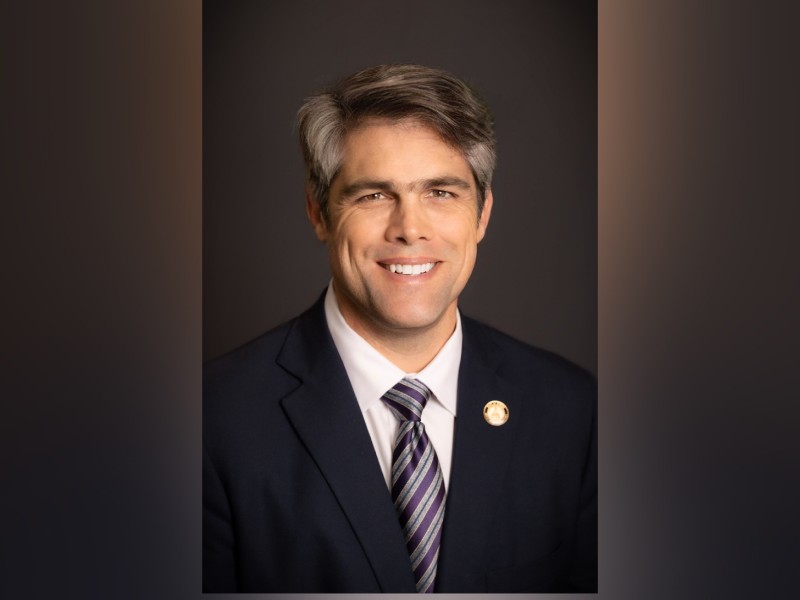
Local attorney Jim Rockefeller owns the
Rockefeller Law Center and is a former Houston Co. Chief Assistant District
Attorney, and a former Miami Prosecutor. Visit www.rockefellerlawcenter.com
<http://www.rockefellerlawcenter.com/>to submit confidential legal questions,
and to review former articles and Frequently Asked Questions.
HHJ News
Before you go...
Thanks for reading The Houston Home Journal — we hope this article added to your day.
For over 150 years, Houston Home Journal has been the newspaper of record for Perry, Warner Robins and Centerville. We're excited to expand our online news coverage, while maintaining our twice-weekly print newspaper.
If you like what you see, please consider becoming a member of The Houston Home Journal. We're all in this together, working for a better Warner Robins, Perry and Centerville, and we appreciate and need your support.
Please join the readers like you who help make community journalism possible by joining The Houston Home Journal. Thank you.
- Brieanna Smith, Houston Home Journal managing editor