
Differences between Catholics and Protestants
I have always enjoyed attending Catholic services, especially Mass. That being said, deep and unresolvable differences exist between Catholics and Protestants. The Catholic Bible contains the same 66 books as the Protestant Bible, but includes an additional seven non-canonical books—called Apocrypha.
One of the great differences between Protestant and Catholic doctrine involves the area of tradition. The Catholic Church decrees that “Sacred tradition and sacred scripture make up a single sacred depository of the Word of God.” Catholic traditions, which are not included in scripture, include papal infallibility, veneration of Mary, praying to the saints, doctrine of Purgatory, etc. Contrarily, the Protestant Church maintains that the Holy Bible is the “only source” of doctrinal truth (2 Tim. 3:16).
Another disagreement involves the Pope. According to Catholics, the Pope is vested to speak authoritatively on all religious matters, thereby making his teachings infallible and binding. Protestants reject the Pope’s authority and believe that Christ alone is the Head of the Church.
Protestants follow the doctrine of justification by grace through faith (Ephesians 2:8–10). Catholics, however, teach that salvation depends not only on faith but on “meritorious works.” Among those works are the Seven Sacraments: baptism, confirmation, Holy Communion, penance, anointing of the sick, holy orders, and matrimony. Catholics believe that good deeds achieve penance for their sins and can limit one’s time in Purgatory. Protestants reject good works as being essential to salvation.
Catholics and Protestants hold differing views on the hereafter. Protestants believe that Christ’s righteousness is imputed to believers, who at death go straight to heaven. Catholics subscribe to the doctrine of Purgatory– an intermediate state after physical death in which those not good enough for heaven must first “undergo purification to achieve the holiness necessary to enter heaven. Both Catholics and Protestants believe that the unsaved are doomed to hell.
Catholics believe that Mary was born without original sin and that she did not die, but went directly to heaven. Since the Catholic Church considers Mary to be a powerful intercessor with Christ, Catholics direct their supplications to Mary. Protestants do not venerate Mary, but consider Jesus to be the only Mediator between God and man. Catholics believe that the communion elements, the wine and bread, mysteriously become the body and blood of Christ. This is called transubstantiation. Protestants reject transubstantiation, but consider communion a symbolic reenactment of the Last Supper.
Protestants confess their sins to the Lord. Catholics confess their sins to a priest. Celibacy is required for Catholic priests. Not so for Protestant clergy. However, both Protestants and Catholics fall under the umbrella of Christianity. More information on Catholicism can be gleaned from “Catechisms of the Catholic Church.”
HHJ News
Before you go...
Thanks for reading The Houston Home Journal — we hope this article added to your day.
For over 150 years, Houston Home Journal has been the newspaper of record for Perry, Warner Robins and Centerville. We're excited to expand our online news coverage, while maintaining our twice-weekly print newspaper.
If you like what you see, please consider becoming a member of The Houston Home Journal. We're all in this together, working for a better Warner Robins, Perry and Centerville, and we appreciate and need your support.
Please join the readers like you who help make community journalism possible by joining The Houston Home Journal. Thank you.
- Brieanna Smith, Houston Home Journal managing editor
Paid Posts
Author

Related Articles
How Important Is That Cup of Coffee? More Than You Think!
I can’t speak for anyone other than myself, of course, but I cannot operate without at least two cups of coffee in the morning.
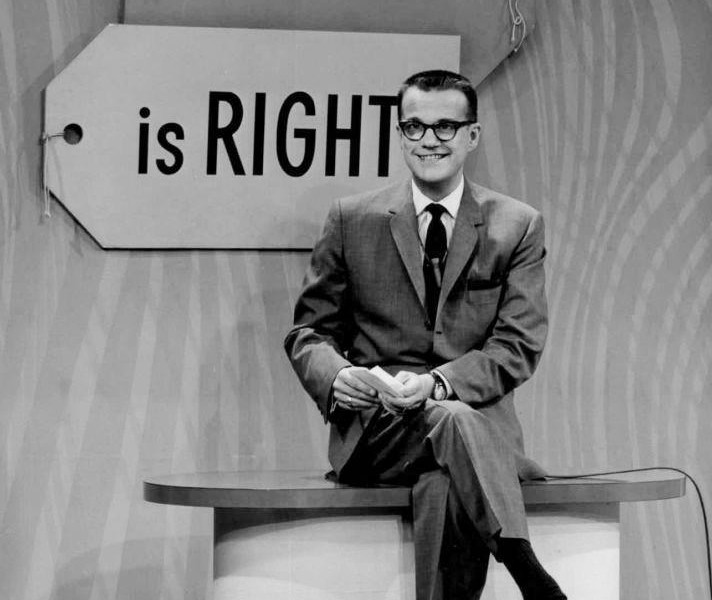
DID YOU KNOW …? Who was the producer’s first choice to host the original “The Price is Right”?
Five hundred columns down, and an infinity of columns yet to go!
After last week’s party for the 500th collection of silly trivia, you’d think I would be ready to give up, right? Heck no. I’m just getting started. In fact, I plan to be around until we hit 1,000 columns and then some!
So while you settle back and enjoy your favorite beverage appropriate for the time of day in which you read this, I’ll be working on future columns to enlighten and entertain you.
Enjoy!
It’s Hurricane and Storm Season; Time to Prepare
From now until late November the weather can become unpredictable in a matter of minutes. Why? Because we are now in the tornado and hurricane season.
Keeping in mind that these storms can knock out power for several days, take lives and leave you, family or friends homeless, it is time to consider taking precautions and preparing in the event of a natural disaster such as a tornado or hurricane.