
An in-depth look into Warner Robins’ upcoming road improvement project
City Administrator James Drinkard explained the road resurfacing process, which is set to began in September for 22 roads in the city.
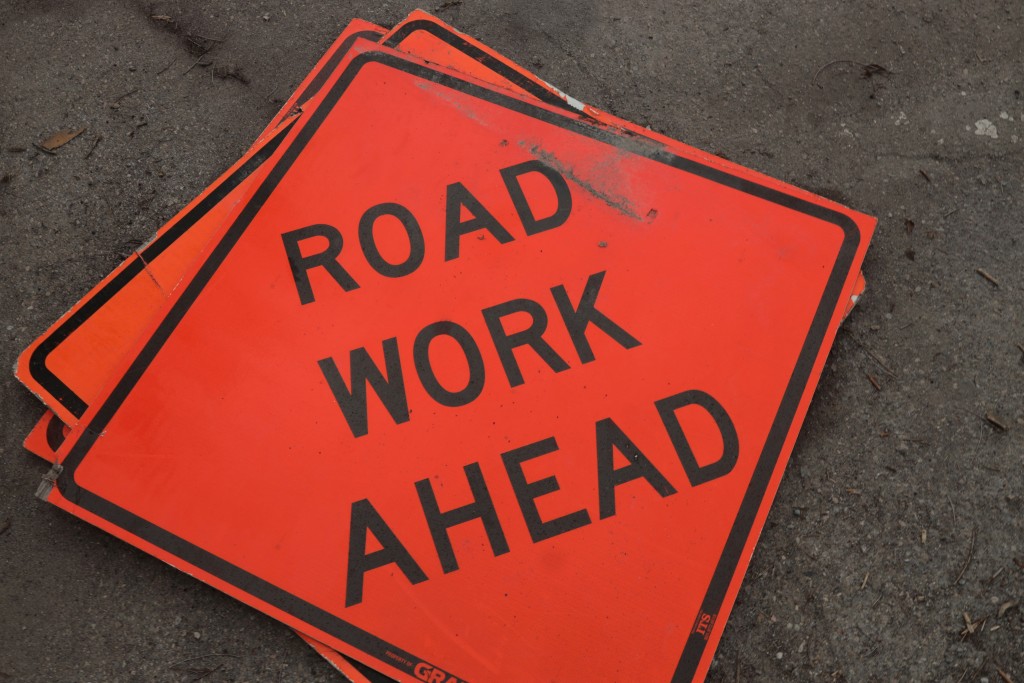
WARNER ROBINS – Earlier this month, Mayor LaRhonda Patrick and council approved the resurfacing of 22 roads, and an additional nine to be restriped and remarked throughout the city. The project is anticipated to begin in September.
The roads that will be repaired include:
- Willie Lee Parkway from Watson Boulevard to Gunn Road
- Russell Parkway from McNeal Drive to 600 feet west of Houston Lake Road
- Deerfield Circle from Leverette Road to Leverette Road
- Spike Trail from Deerfield Circle to Buckhorn Trail
- Buckhorn Trail from Spike Trail to Antler Trail
- Madison Place Parkway from Centerville Road to the end of the road
- Summerstone Road from Madison Place Parkway to Madison Place Parkway
- Larkspur Lane from Oglethorpe Road to the end of the road
- Cranesbill Drive from Oglethorpe Road to Cosmos Avenue
- Sunflower Drive from Larkspur Lane to Yarrow Boulevard
- Clover Trail from Larkspur Lane to Yarrow Boulevard
- Yarrow Boulevard from the start of the cul-de-sac to the end of the road
- Linwood Drive from M.L.K Jr. Boulevard to Wellborn Road
- Alton Tucker Sr. Boulevard from Robert Bryson Smith Parkway to Moody Road
- Wynn Place from Wellborn Road to Wynn Place Apartments
- M.L.K. Jr. Boulevard from South Third Street to US-129/State Route 247
- Falkirk Drive from Jerusalem Church Road to the south of Arelia Drive
- Arelia Drive from Jerusalem Church Road to Falkirk Drive
- Russell Parkway from McNeal Drive to Springwood Drive
- Hospital Drive from Watson Boulevard to 1050 feet south of Watson Boulevard
- Witherspoon Court from Falkirk Drive to the end of the road
- Cedarland Drive from Falkirk Drive to Sark Drive
The city maintains 354 miles of roads and routinely evaluates all local roads. Roads in greatest need of repair are prioritized for resurfacing. According to City Administrator James Drinkard, 7 ½ miles of road are being resurfaced.
It is unknown which roads will be the first to be repaired. The contractor, CW Matthews, will review the list of roads and their locations. From there, they will decide the most efficient way to tackle the project.
Drinkard said the city requested that Wynn Place be one of the first. This is because the city is piloting a neighborhood traffic program on the road, which cannot begin until the repaving is complete. The city also plans to add speed cushions to the area.
Drinkard shared that residents in the area have been waiting since the beginning of this year for the program to start. He also said he needs the program to be tested for a few months to assess how well the products work. Drinkard will then implement the program in other parts of the city.
Every three years, the city assesses all the roads it maintains, ranking them in priority from those most in need of improvement to those in the best condition.
Each year, when the city puts its budget together for milling and resurfacing, it starts at the top of the list and works its way down as funds become available, Drinkard explained.
This year, the work is totaled at $2.48 million for milling and resurfacing. Drinkard said the city has been investing over $2 million a year for the past three years.
A challenge for the city is inflation, which has caused the cost of road and repaving projects to increase. According to Drinkard, over the last two years, it has increased by 43%. This year is the highest of three years.
“We are paving more road miles than we did last year but if you look at cost per mile, we’re not getting as far as we would’ve two years ago with $2.48 million. We could’ve paved considerably more roads or resurfaced more roads than we can this year,” he said.
To stay updated on road closures, Drinkard encouraged the public to visit the city’s social media and website. He also said the city will post signs to notify people that the road is being repaved. He reminded people that it will also be weather permitting, meaning construction time can change.
Drinkard then explained the multi-step process of milling and resurfacing roadways. First, they will mill the road, meaning they will grind away a layer to roughen up the surface. This is done to ensure the new asphalt holds better.
Afterwards, they lay down the base layer of asphalt and allow it to sit for up to 30 days. During this time, it will start to settle and compact as vehicles drive over it. Then they come back to apply another layer of asphalt, let it sit, and apply a top coat. Once that is added, they install a temporary striping system and let it sit for another 30 days. Finally, they come back and put down a permanent striping.
Drinkard said that during each of those phases, the contractor will work on multiple roads. They will do each phase on every road. The contractors multitask to complete the job as quickly as possible and to stage their equipment.
He shared that it will take them approximately six to eight months to complete 22 roads.
Common misconceptions include the idea that once the base layer is complete, the job is finished, but that is not the case.
“It’s multiple phases that get done and there will be these lengthy periods of time where the road is literally curing and compacting. If we don’t allow it to do that, we’re just going to have to go right back out there and fix something,” he said.
Drinkard then shared a fun fact involving a squiggly black line often seen on roads, which is a frequent question people ask. He said this is something done to help extend the life of a road, and it is an asphalt-based product called crack seal.
Where the road has developed cracks in its upper layers, they will apply a crack seal, which prevents water from seeping into the asphalt. The seal slows down road degradation and extends the road’s life.
Drinkard shared that one of the biggest challenges for every city, county, and state across the country is aging infrastructure. According to Drinkard, the average life expectancy of a roadway is 15 to 20 years.
He shared that when he first started in his career, they could expect a road to last up to 30 years. However, this life expectancy has been shrinking due to several factors, including environmental factors and increased weight of vehicles on the road.
Drinkard said that if they don’t maintain their infrastructure and put off road maintenance, the cost of repairs will be more expensive.
Over the years, Drinkard has never seen the cost of maintaining roadways decrease; it always rises. He said if roads are not in good condition, no one would want to drive on them, which detracts from the quality of life.
He also shared that if there are significant potholes and road issues, it can damage vehicles, causing bent wheels and misalignment. This is why Drinkard believes the city must stay ahead in maintaining its infrastructure.
“The more you can do to maintain your roadways, the more you stay ahead of the curve,” he said.
To stay updated on road closures, visit the city’s Facebook or website.
Before you go...
Thanks for reading The Houston Home Journal — we hope this article added to your day.
For over 150 years, Houston Home Journal has been the newspaper of record for Perry, Warner Robins and Centerville. We're excited to expand our online news coverage, while maintaining our twice-weekly print newspaper.
If you like what you see, please consider becoming a member of The Houston Home Journal. We're all in this together, working for a better Warner Robins, Perry and Centerville, and we appreciate and need your support.
Please join the readers like you who help make community journalism possible by joining The Houston Home Journal. Thank you.
- Brieanna Smith, Houston Home Journal managing editor
Paid Posts
Author

Related Articles
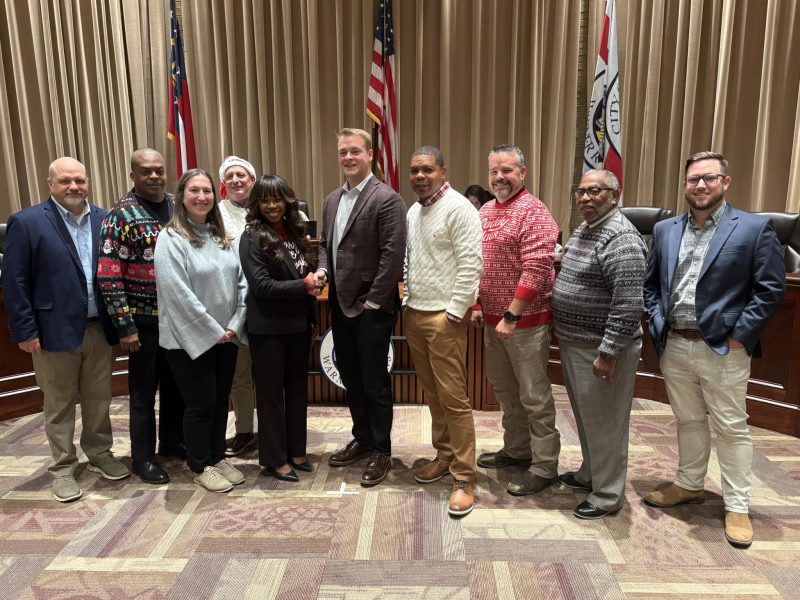
Warner Robins Council gives greenlight to Sprouts Farmers Market, natural grocery chain
The Warner Robins City Council unanimously approved the annexation and rezoning needed for a Sprouts Farmers Market on South Houston Lake Road, citing its potential to address a food desert while working with the city to manage traffic and safety concerns.
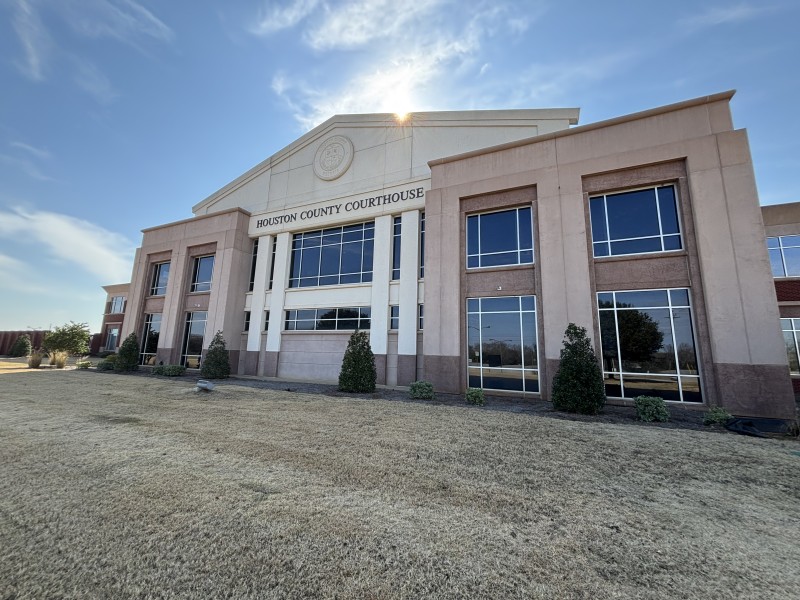
Warner Robins man convicted of distributing fentanyl leading to death
Clyde Richardson Jr. of Warner Robins was sentenced to 25 years in prison for distributing fentanyl which led to the death of an unknown female.
Two 15-year-olds sentenced as adults after committing robbery by intimidation
Kayden Teshawn Rivera and Yerimiyah O’Hara, both 15, were sentenced to 15 years, with the first 10 years to be served in state prison.