A jury note
A Georgia case was recently overturned because, during deliberations, the trial judge did not allow the jury’s note to be seen by the defense attorney. It was a case with a couple of criminal charges and the jury’s note indicated the jury had voted: “4—not guilty based on evidence [and] 2—innocent on evidence.” The note did not indicate whether the jury was split on both counts, just the trespass count, or just the attempted theft count, but it clearly evidenced confusion as to the charges received by the jury. Did that note tell us the number of jurors voting which way, or was it in reference to the charges? Hard to know based on that note.
Over the years I’ve had cases with all sorts of juror questions during deliberations. Some were sound questions about the law, or a request to review the evidence, or some other valid reason. But not always. One time the jury sent out a note and asked about a law that had nothing to do with the case we had tried. The judge simply informed the jury that the court had read them the appropriate law and that they needed to continue deliberations. After their verdict, we asked them about their question. One juror simply wanted to know the answer to that question and figured since he had a judge and bunch of lawyers available, he’d ask. Seriously.
There were times that the jury would say how they were leaning, such as “We are deadloced 10-2 in favor of guilty.” Now that pushes the prosecution to keep that jury deliberating and the defense suggests that a mistrial is in order. But sometimes the note simply said “We are deadlocked 10-2.’ Well, since they didn’t tell us which way, that left everyone to guess, which is perfectly fine. Sometimes the jury might just say ‘We are hopelessly deadlocked.” another perfectly acceptable response.
In all of the cases I mentioned above, the trial judge allowed all of the attorneys to see the note. I’m not sure I’ve ever before heard of a judge not showing a note to attorneys, but here it is. The appellate court decided, I think correctly so, that the judge should have shown the note to the defense attorney. That doesn’t mean that the judge’s decision about how to answer the question or comment was wrong, but since the judge didn’t show the note the judge didn’t have the benefit of the attorney’s opinion on how to answer the note. At the end of the day, any answer is up to the judge, but attorneys should be able to have their say about the answer. After all, that’s what attorneys do, we argue about everything. Judge’s make rulings thereafter, but the judge has to give the attorney a chance to argue their position.
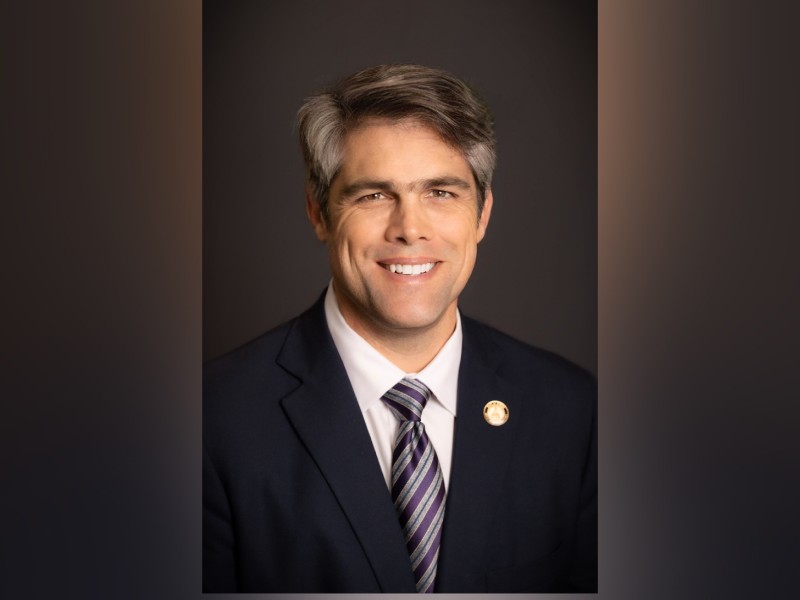
Kelly Burke, master attorney, former district attorney and magistrate judge, is engaged in private practice. He writes about the law, rock’n’roll and politics. These articles are not designed to give legal advice, but are designed to inform the public about how the law affects their daily lives. Contact Kelly at kelly@burkelasseterllc.com to comment on this article or suggest articles that you’d like to see and visit his website www.kellyrburke.com to view prior columns.
HHJ News
Before you go...
Thanks for reading The Houston Home Journal — we hope this article added to your day.
For over 150 years, Houston Home Journal has been the newspaper of record for Perry, Warner Robins and Centerville. We're excited to expand our online news coverage, while maintaining our twice-weekly print newspaper.
If you like what you see, please consider becoming a member of The Houston Home Journal. We're all in this together, working for a better Warner Robins, Perry and Centerville, and we appreciate and need your support.
Please join the readers like you who help make community journalism possible by joining The Houston Home Journal. Thank you.
- Brieanna Smith, Houston Home Journal managing editor
Paid Posts
Author