
This is Robins: Command Chief MSgt. Morales muses on Robins’ past, present and future amid Project 2041
Morales talked with This is Robins, musing about his current career and the future of Robins Air Force Base.
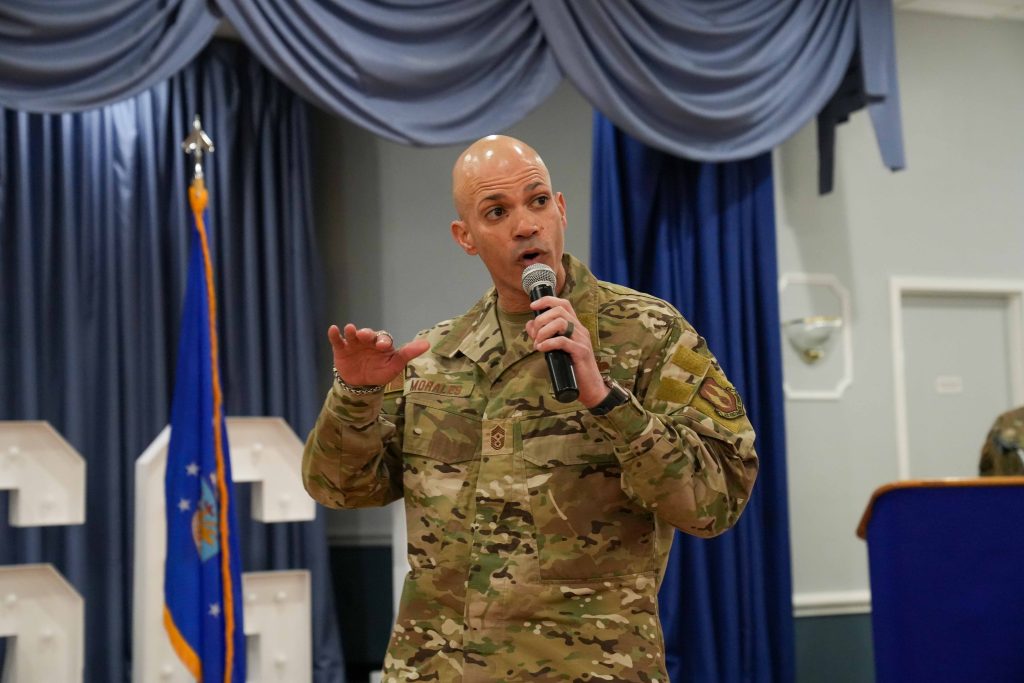
Chief Master Sgt. Lloyd Morales, 78th Air Base Wing command chief, makes opening remarks at a senior master sergeant release party at Robins Air Force Base, Georgia, March 14, 2025. Morales stressed the importance of Air Force values to the Airmen at the event. (U.S. Air Force photo by Lauren Boggs)
Robins Air Force Base is preparing for the future, spearheaded by key leadership on base, including Command Chief MSgt. Lloyd Morales.
From a military family, Morales was first stationed at Moody Air Force Base, Georgia, in 1998 and has since risen through the ranks at bases in Georgia, South Korea, The United Kingdom, Kuwait, Oklahoma, Utah, Hawaii, Florida and Ohio. Now he provides support to over 22,000 personnel at Robins Air Force Base.
Morales talked with This is Robins, musing about his current career and the future of Robins Air Force Base.
Brieanna Smith: Just from hearing about your history it seems like you’ve been able to continue an amazing journey as Command Chief MSgt. here at Robins Air Force Base. So, tell me about your current assignment.
Command Chief MSgt. Lloyd Morales: As the Command Chief here at at Warner Robins’ 78th Air Base Wing, it’s all about readiness development, and making sure that the enlisted force is ready to execute everything that our senior leaders are asking for. It’s a pretty robust duty. I could discuss what’s written on paper, but I don’t think it quite defines everything we do, especially for me.
I make sure that I can advise the Installation Commander, Colonel [Deedrick] Reese, and make sure that his perspectives, his vision and his intent are clearly defined, so folks can go out and execute what he’s trying to get after for our mission and Team Robins’ over 54 mission partners on the base. To figure that all out and corral all those individuals, to make sure that we’re all in this together and making sure that we’re executing big senior leader decisions is not an easy task. So that’s one of the things I do.
On top of that, the professional development piece is huge for Team Robins, and then the quality of life and readiness rose into what I do from the command chief’s office. It’s very holistic, but ultimately, the intent with me and the staff here is just to make sure everybody has what they need, so they can be dedicated and focused on executing the mission that’s always evolving and changing.
Smith: I like that, setting them up for success. So how does Robins Air Force Base compare to some of your previous assignments?
Morales: Every base is unique. I’ll tell you that much. Every one has their personality and own dynamics. What I love about being at Robins is the integration of the team, not just on base, but outside of it in the community. It’s absolutely, probably one of the best I’ve ever seen. That relationship makes this base probably my top installation because everybody is supporting each other, and everybody is kind of on the same mindset that we need each other to be successful across the board. So I love that patriotism. It’s just amazing.
I typically talk about the heroes that work on base, but there are a lot of heroes outside of the base, making sure that all stakeholders are involved in making sure that everything’s successful. Robins is very unique, especially when it comes to the Air Logistics Complex. That’s also a driver that helps move Team Robins forward. It’s not the only driver, but it’s a big one. It’s been here since the base was actually created. There are such unique missions on this base and there continues to be more transformation on installation. We recently lost the JSTARS before I got here, but now we’re bringing in brand new mission sets that are going to just continue to make Robins the base of the future.
It’s really cool stuff. Robins is just an incredible location. You can talk about installations and locations, but the people drive the success. And I’ve never seen one like that since I’ve been here. It’s a Georgia thing, I guess.
One thing I’d like to highlight is that the base is full of heroes, both on and off of it. To be in the Air Force, 26 years, is a long time. The reason I continue to serve, and so does my favorite boss, Colonel Reese, is the people. People drive everything. And you know, a lot of people tell me the mission is easy, but people can be hard. What I’ll tell you is the people here are absolutely amazing.
Regardless of what’s going on across the world stage, they’re so dedicated, so involved, just resilient and just so innovative. They’re the reason that we continue to be the greatest Air Force on the planet.
For me and for a lot of my peers, that drives us to serve. And I can’t wait to see how they continue to make us the best Air Force in the world.
Smith: For sure. So we’ve talked a little about the past, about the present. Now I want to talk about the future. One of the things Col. Reese spoke about that has stuck with me is Robins 2041, and as we both know, the year 2041 will be the base’s 100th anniversary. What exactly is the purpose of Robins 2041?
Morales: Robins 2041 has been a very strategic priority for Col. Reese. It’s making sure that the base continues to evolve, to meet the demands of not yesteryear, but what’s coming up, to the 100th anniversary of the base. We talked about that earlier, the evolution of the base, and new missions. How do we continue to make sure that Robins is the base of excellence across the Department of Defense?
That brings us into discussions of making sure that everything that has made us what we are today, we continue to do that and be more deliberate on how we make sure that we focus on not just what got us here in 1941, but what’s going to get us into the future as we get into 2041. That’s about making sure we continue to be resilient and innovative, and then having the perspective to continue to develop, transform, evolve, and ensure that just because the base was open in 2041, doesn’t mean we need to continue to operate like we’re in 2041.
That’s where Colonel Reese and the rest of the team here want to shape the perspective on how we continue to do what we do, to foster the greatest Air Force on the planet, but not remaining in infrastructure that might not be up to par, or doing development that may have been good a couple of years ago, but doesn’t give us the strategic perspective we need today.
All those things are what we’re looking at to make sure that Robins in 2041 is ready for the next fight. Those born in 2023 will be serving in 2041. They’ll be 18, ready to be the next heroes that we talk about and that we’re proud of. We’ve got to make sure that as they join our military, our servicemen and women are provided with the right tools to be successful.
Smith: It begs the question of how the base’s mission has already evolved since its establishment in 1941.
Morales: Yeah. Without taking too much from my favorite museum, the Museum of Aviation, the base originally was opened to support World War II to create aircraft and everything else that we needed at the time to support the war efforts. As we’ve continued to evolve, and the base has changed names, new missions have continued to come onto the installation, which continue to this day.
As the base continues to evolve, it’s evolved with the demands of the times. From an Air Logistics Complex perspective, that’s changed. When they first opened up the Air Logistics Complex and organic industrial bases, there were more than what’s currently here across the Department of Defense. We’ve gone from a pretty big number down to three. For some reason, I’ve been assigned to all three of them in one shape or form. Those are a critical piece to ensure that what our mission partners need, to ensure the DoD has the weapons systems to perform their duties and continue on that.
We had the JSTARS. We have the 5th Combat Communications Group, which is a unique mission set. We have our Air Force Reserve Command, which is pretty amazing. They do some great work, and they’re a phenomenal mission partner. Then, the Defense Logistics Agency. There are so many folks who have continued to come here, and they’re all critical nodes in the strategic way of doing business, especially here at Robins. Everything we do here supports the warfighter down range.
I’m almost intrigued and curious about what else is going to come to Robins because it seems to be the hub of innovation, transformation, and evolution of the Department of Defense. It’s come a long way. It’s pretty cool to see.
Smith: It really has come a long way. How does the base’s mission align with broader modernization efforts?
Morales: I think they align perfectly, to be honest with you. The Air Force, as a department, and the Department of Defense, continue to find ways to modernize. As you saw with the JSTARS platform, they’re figuring out there are probably different avenues we need to take to make sure we create a warfighter edge in a very dynamic global atmosphere.
What we’re doing here, as we continue to see everything else going on, is going to be critical in what the Department of Defense and the administration are looking at, to make sure that we stay at the edge of what we need to be very competitive and remain continuing to innovate and figure out how we change some of the ways we’ve been doing business, and we continue to find ways to have that competitive edge in the fight.
As we evolve, Robins Air Force Base is going to be key to not just reinforcing where we’re trying to go as a Department of Defense and as a Department of the Air Force, but being a change agent, a pacesetter, to benchmark probably new processes that can continue to transform and integrate across the enterprise, where we can be a model for other installations.
I think it’s right where we need to be. I think we’re going to continue to be right at the front of a lot of these dialogues. And I think when it comes to modernization, Robins is just a prime example of what that looks like for the Department of Defense.
Before you go...
Thanks for reading The Houston Home Journal — we hope this article added to your day.
For over 150 years, Houston Home Journal has been the newspaper of record for Perry, Warner Robins and Centerville. We're excited to expand our online news coverage, while maintaining our twice-weekly print newspaper.
If you like what you see, please consider becoming a member of The Houston Home Journal. We're all in this together, working for a better Warner Robins, Perry and Centerville, and we appreciate and need your support.
Please join the readers like you who help make community journalism possible by joining The Houston Home Journal. Thank you.
- Brieanna Smith, Houston Home Journal managing editor
Paid Posts
Author

Related Articles
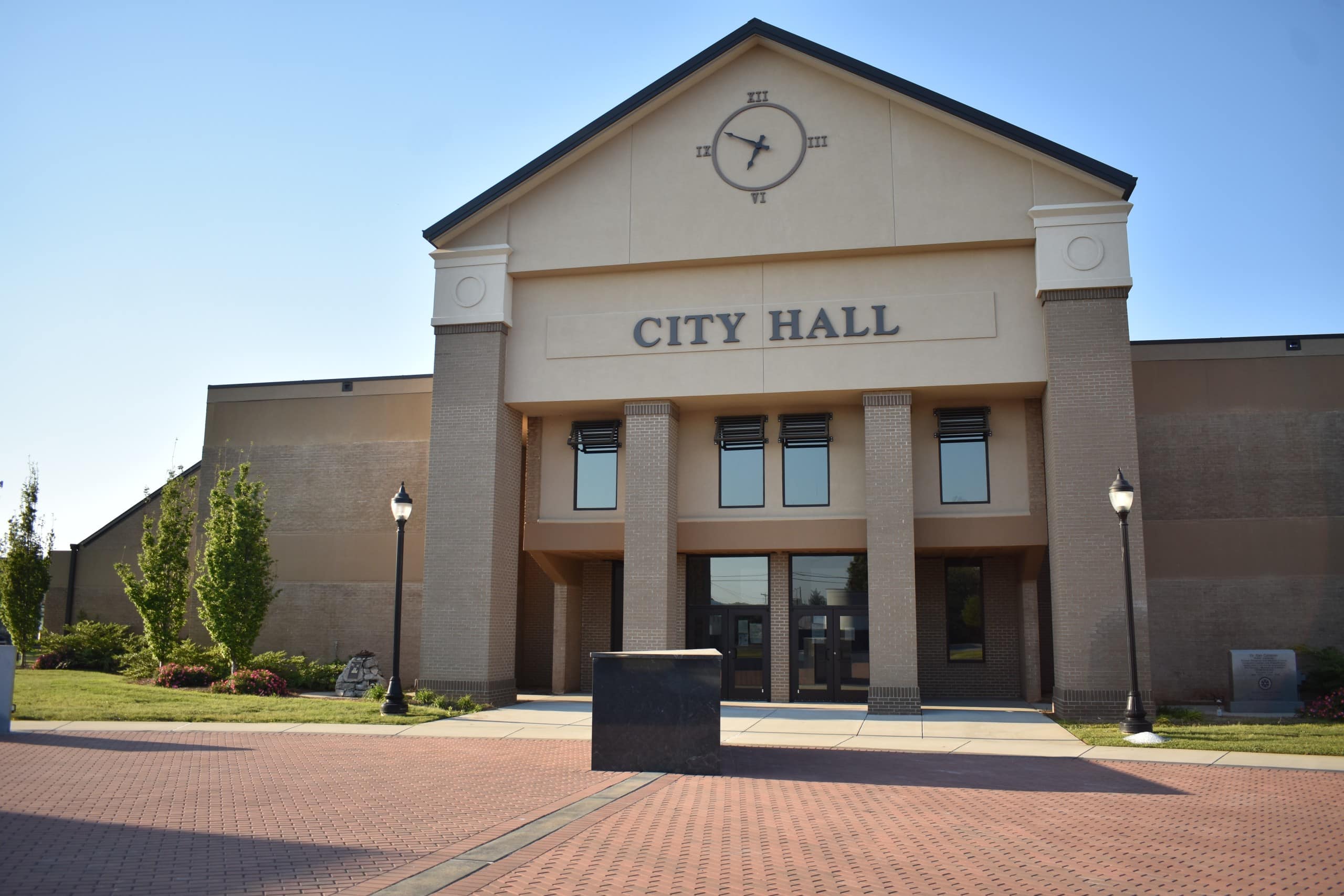
Warner Robins Council approves data center moratorium for six months
The move came after concerned citizens cited concerns about AI and use of resources.
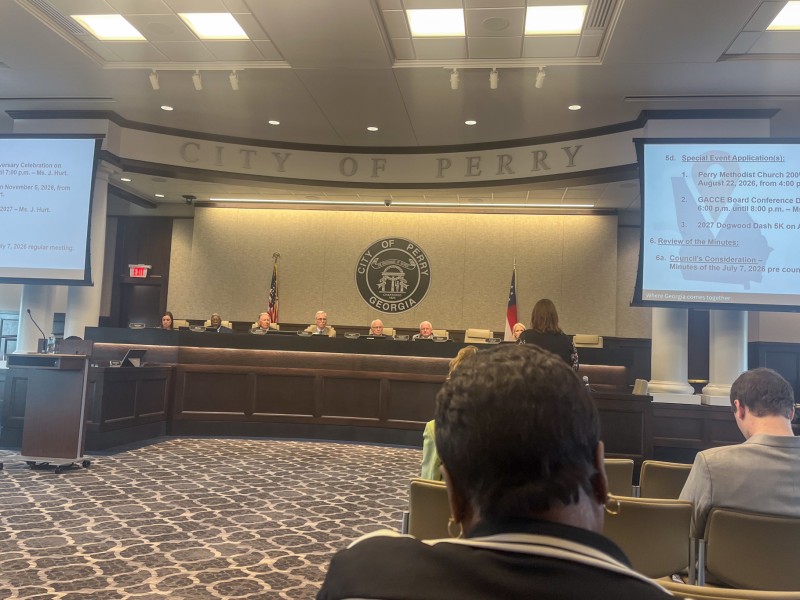
Perry’s comprehensive plan shifting to regional commission over disagreements with consultant
Perry council approved for the Middle Georgia Regional Commission to complete the project, canceling its contract with TSW.
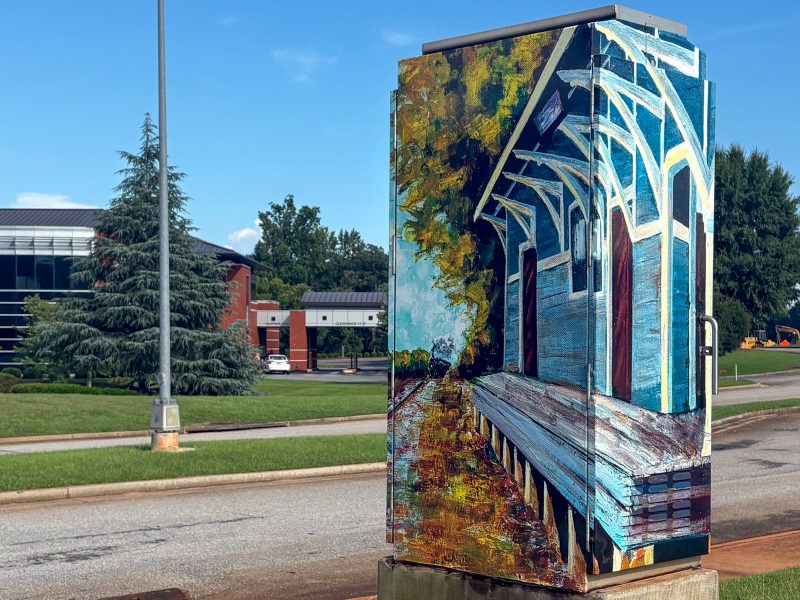
Warner Robins Adopt-a-Box program expands: When a traffic control box becomes art
The newest utility box features a piece of Warner Robins history.