
Working hand in hand: Robins AFB and Museum of Aviation officials talk STEM efforts
ROBINS AFB, Ga. — It’s a common enough question when you’re young: What do you want to be when you grow up? Most children can provide an answer, either with an outlandish career choice like princess or superhero, or with something more grounded like teacher, astronaut, author or garbage man.
The world needs more scientists. It needs more men and women taking to fields in computer science and physics, material engineering and robotics — and it’s the task of many people within Robins Air Force Base and the Museum of Aviation to help develop children’s interest in these STEM fields.
These two entities work hand in hand, helping to lead children today into STEM fields in the future, and bringing more highly educated individuals into Robins’ workforce.
Three people within these fields, with differing backgrounds and specialties, sat down with The Journal to describe the process of education, outreach and workforce development in each point in the process: Museum of Aviation Education Director Melissa Spalding; University Partnership Coordinator Rebecca Bartlett; and Robins AFB STEM Outreach Coordinator Charles Goolsby.
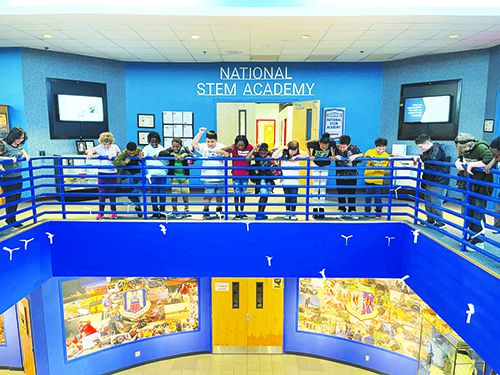
Spalding works at the Museum of Aviation to develop interest in STEM fields at the youngest age possible, directing the museum’s National STEM Academy, and developing programs within the museum that will allow students a hands-on interaction with STEM concepts. A big part of her work is reaching out to others in the community, even with Robins AFB, to share resources so that students can be exposed to STEM.
Bartlett is the next step — as students make their way out of K-12 education, her work allows students interested in STEM to find fields that may tie directly into work at Robins AFB later down the line. She establishes and strengthens Robins’ relationship with universities through their ambassador program.
Goolsby is the connecting point. As an employee for Robins AFB, he works directly with the Museum of Aviation to help drum up interest in these fields for students in K-12 grade levels; at the same time, he helps to locate and train engineers, while educating them on their opportunities at Robins for growth in their careers and their education.
The goal is to get children interested in STEM as early as possible, carry that interest all the way up to the point of higher education, and then shepherd these young professionals into careers on base.
“There’s research that’s been done, and it’s understood that the earlier you engage with students, the earlier you introduce what possibilities they have in the future, the more enticed or inclined they are to gravitate towards that thing, or the more willing they are to explore that option,” Goolsby said. “With [Robins AFB and the Museum of Aviation] knowing that, we know we need to reach out to the youth.”
This process is a long-term investment. A second-grade student attending the STEM academy today might not receive their bachelor degree in a STEM field for another 14 years — and that’s if they enter into a STEM field at all.
“The biggest piece is knowing that engaging with them early, giving them those nuggets, giving them those avenues and opportunities for the future, it increases their desire to be with us, because our ultimate desire is to improve our workforce from a STEM standpoint,” Goolsby said.
From this necessity was born the National STEM Academy, a program operated by the Museum of Aviation that educates students and teachers alike with a hands-on approach to STEM.
The program begins with students all the way in pre-K. These students can participate in a number of programs as they age up in their education, all of them aligned with state content standards, up unto the point that these students graduate high school. Afterwards, the Museum of Aviation continues to work with college interns, and even helps to educate educators.
“We want to further develop [students’] interests,” Spalding said. “Often times at an end of a program, we survey the students and ask them to tell us what they’re more interested in, what else would you like us to provide; we’re asking that of parents, were asking that of schools, we do teacher surveys, so they can tell us what they need. Then we build our programs based on those interests.”
Through their synergy, the Museum of Aviation and Robins AFB can work hand-in-hand to improve these programs or tie them directly to future workforce needs. The museum develops a curriculum that ties into state requirements and discusses a STEM field, and then Robins can help provide the resources necessary for hands-on interaction with the concept. Volunteers, professionals in their fields, can also be made available to speak directly with students.
Finally, Robins has partnerships with several local universities. These partnerships, according to Bartlett, are defined as “an agreement between a defense lab and an educational institution to promote the study of science, math, engineering at all levels.”
They allow for educational collaboration with varying facilities and resources available, and work even further beyond the Museum of Aviation to hone students’ skills and prepare them to work at Robins.
Universities partnering with Robins include Middle Georgia State, Mercer University, Fort Valley State University, Georgia College and State University, the Georgia Institute of Technology, the University of Georgia, Kennesaw State and Georgia Southern University. These partnerships allow Robins to focus in on key topics like diversifying the STEM workforce and establishing partnerships with minority institutions to provide opportunities to these groups, to offer mentorship to students rising in STEM fields, and to influence college coursework through their ambassadors on university advisory boards.
Robins also works to provide different levels of mentorships to student at universities they partner with.
“Not only in the traditional sense of mentoring, but we’ve met with universities and have engagements that we’ve hosted where we’ve helped [students] writing resumes, and had technical talks and technical advisory panels, just to keep them engaged and help guide them,” Barlett said. “If they have questions about curriculum, we have some of our faculty I know are very engaged with the schools, and they can help guide them with what kind of classes would be better towards specific skills.”
Once in college, many students in these fields can find internships, some offered by Robins, to get a direct feel of what their job may look like one day. Mentorship from Robins’ university ambassadors, or continued work with the National STEM Academy is also available to many STEM students. Once they graduate, the hope is that these students will stay here in Houston County, and potentially work for or with Robins AFB.
Outside of the STEM pipeline that these groups have worked to develop, they’ve also created a number of systems to support students and educators in need, including the museum’s Lending Library — an educator resource center filled with supplies necessary for STEM education that is available to everyone — as well as the STEM City Symposium, an event meant to bring together the local STEM community and bring students and professionals into one space together.
From beginning to end, the Museum of Aviation and Robins AFB work hand-in-hand to help develop scientists and engineers, digital developers and more for the needs of tomorrow. A second-grade student in the National STEM Academy today may be working directly with Robins a decade from now, helping to fulfill nation’s goals in defense.
HHJ News
Before you go...
Thanks for reading The Houston Home Journal — we hope this article added to your day.
For over 150 years, Houston Home Journal has been the newspaper of record for Perry, Warner Robins and Centerville. We're excited to expand our online news coverage, while maintaining our twice-weekly print newspaper.
If you like what you see, please consider becoming a member of The Houston Home Journal. We're all in this together, working for a better Warner Robins, Perry and Centerville, and we appreciate and need your support.
Please join the readers like you who help make community journalism possible by joining The Houston Home Journal. Thank you.
- Brieanna Smith, Houston Home Journal managing editor
Paid Posts
Related Articles
How students can get a jump start working in STEM at Robins Air Force Base
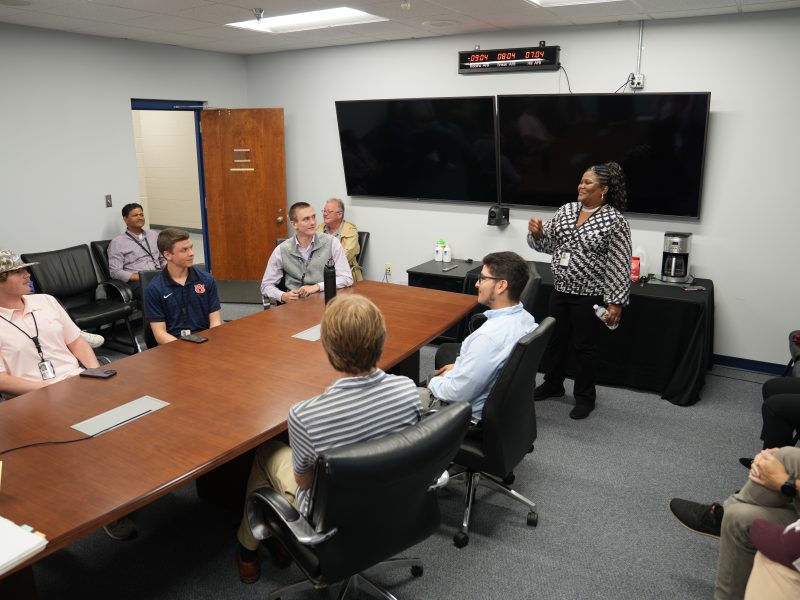
Robins currently offers two programs: JumpStart and the SMART Scholars program.
Lasers prompt Robins AFB eye protection team to ensure pilots are safe
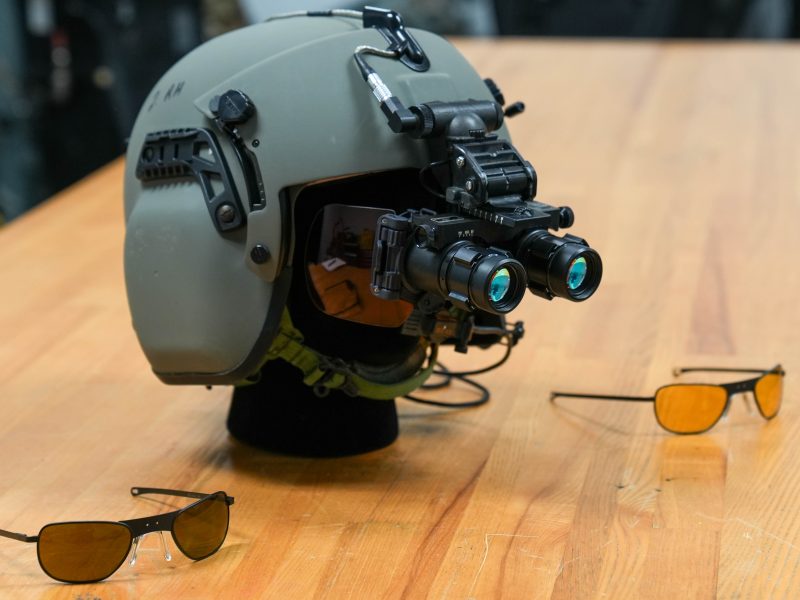
The Laser Eye Protection team consists of two bases united in one mission: protecting pilots from lasers.
Where science meets service: Robins’ Chemistry Lab essential for base operations
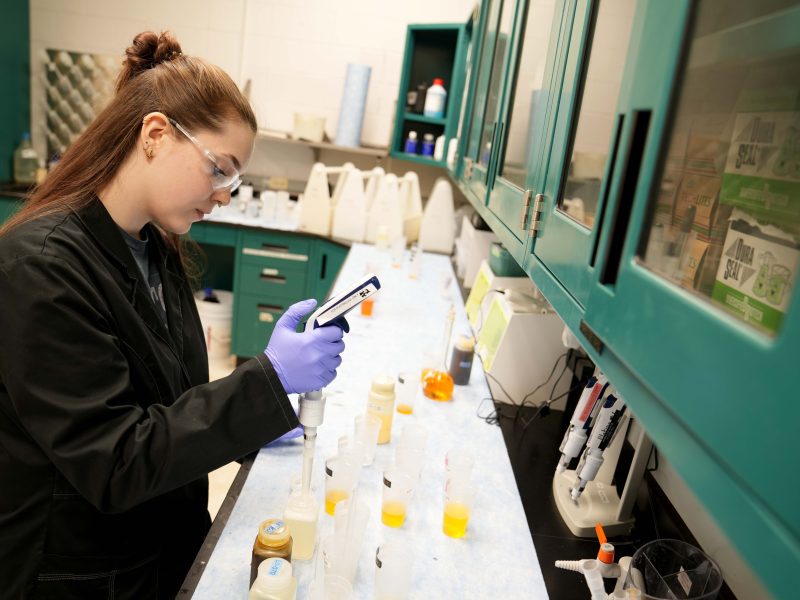
If it’s a critical substance, there’s a chance it has come through the Chemical Analysis Laboratory on Robins Air Force Base.