
World War II B-17 restoration in full swing
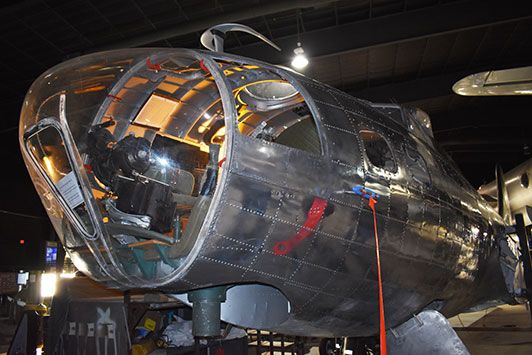
In 2015, the Museum of Aviation received one of the most sought-after prizes in its history, World War II B-17. After two years of stripping, buffering, and polishing, work has begun in putting parts together.
The plane had been out outdoors for 54 years at Grissom Air Museum in Peru, Indiana. The Museum of Aviation first applied to have one of the few remaining examples in the early 1980s.
The B-17 was one of the most recognizable aircrafts used by the U.S. Army Air Corps and other allied nations. It saw service in every theatre of operations and accounted for about half of the total tonnage of bombs dropped on enemy targets.
Michael Nichols, project lead manager of the B-17 restoration said when the museum received the aircraft that they knew it would be about a five to six-year project.
“Well, we are three years in and looking at about another three to four years to complete it,” Nichols said. “We have a great group of volunteers who are passionate and dedicated to this project. If it wasn’t for them and all of the great donations, we wouldn’t be where we are today.”
Nichols said after the team completed the polishing of the aircraft, they put the fuselage back together. Within two to three months, he said they should be ready to install the wings.
One part of the B-17 that has recently been completed is the area of the plane where the navigator worked. Husband and wife, Stephen and Terry Yacubich, came upon the opportunity two years ago to work in the navigator’s area. Terry’s late father, Joseph, was a B-17 navigator.
“My father served in 1943 to 1945, and then moved to the reserves in 1961,” Terry said. “What was interesting was after my dad had completed 45 missions, which was quite a lot for a navigator, they sent him to the states to become a pilot. We noticed that he had three sets of wings, bombardier, navigator, and pilot wings. But the timing for us to come on this project was incredible.”
Terry said they moved to Centerville in 2016. Her father started to become ill and passed away a little less than a year after they moved at the age of 92.
“He was able to see the plane before he passed,” Terry said. “Shortly after, my husband and I said let’s volunteer and do this in honor of dad.”
Stephen said they completed stripping out the area, did all the wire brushing, painting, and put it all together. He said it took them two years as well, to get to where they are now.
“It’s been a very tremendous and rewarding opportunity in keeping my father-in-law’s memory alive working on the plane the he served in,” Stephen said. “But all the volunteers, they do a yeomen’s job. No one gets paid to do this; they all do it because they care and are passionate about it, which is amazing.”
Before you go...
Thanks for reading The Houston Home Journal — we hope this article added to your day.
For over 150 years, Houston Home Journal has been the newspaper of record for Perry, Warner Robins and Centerville. We're excited to expand our online news coverage, while maintaining our twice-weekly print newspaper.
If you like what you see, please consider becoming a member of The Houston Home Journal. We're all in this together, working for a better Warner Robins, Perry and Centerville, and we appreciate and need your support.
Please join the readers like you who help make community journalism possible by joining The Houston Home Journal. Thank you.
- Brieanna Smith, Houston Home Journal managing editor
Paid Posts
Related Articles

Local woman leaders, entrepreneurs share experience during Empower Her Panel | Remarkable Women
The panelists reflected on careers, breaking barriers and resilience.
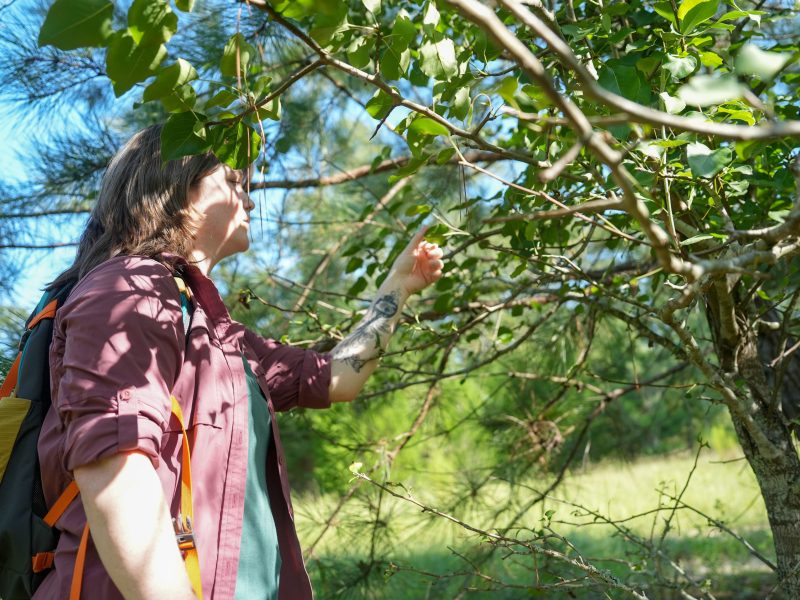
Robins’ Natural Resources Program supports mission by managing outdoor spaces | This is Robins
From birds to bears: the Base’s Natural Resources Program is critical in mission readiness.
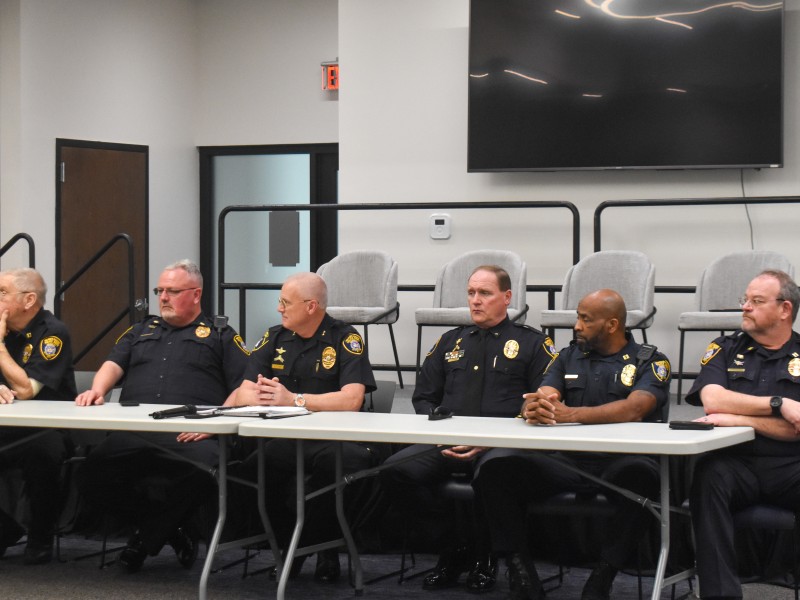
Warner Robins Police Department hears from community at first town hall meeting of the year
The Warner Robins Police Department hosted their first town hall meeting of the year on Tuesday, March 24.