It’s not nice to fool a judge or jury
What is the role of a defense attorney? As one who has been on both sides of the courtroom, I can tell you that a good defense attorney knows that representing their client ethically, professionally and stridently is the goal. A defense attorney does not try to mislead a jury, but may try to massage the facts in the light most favorable to their client. The State has a different goal, and that is to “do justice.��‚��
Did you know that both locally and nationally, about 40 percent of all criminal cases that go a prosecutor��‚��„�s office are ultimately dismissed. Some of those dismissals are because a defense attorney convinces a prosecutor that the case lacks prosecutorial merit, some are because the prosecutor decides such before there is even a defense attorney in the case. No one knows the percentage split between the two dismissal types, but I��‚��„�d venture to say it��‚��„�s about 50/50.
Back to misleading a jury. Every attorney has an ethical obligation to the court to not mislead the court, which includes a jury. The State Bar of Georgia frowns on attorneys who misrepresent anything to a court. Courts surely frown on that as well.
In the recent case of Deleon-Alvarez v. Georgia, a defense attorney was admonished by the trial court for misrepresenting the law about what the consequences of lying were to a jury. A co-defendant had accepted a “deal��‚�� from the prosecutor and had received testimonial immunity, which basically means that he wouldn��‚��„�t be prosecuted for anything he said relative to that case. The defense attorney converted the testimonial immunity into what is called transactional immunity, meaning that the co-defendant would not be charged with any crime arising out of the events. The judge admonished the defense attorney harshly, basically accusing him of intentionally misleading the jury.
I found the case to be way too harsh on the defense attorney and thought the court was out of line, but the Court of Appeals disagreed, so I concede that the defense attorney was wrong to twist transactional immunity with testimonial immunity.
The point is, a defense attorney can no more mislead the court or jury than a prosecutor can. A prosecutor has a high ethical burden, which is not to convict, but to do justice. A defense attorney should zealously represent his client within the bounds of the law. No attorney is permitted to mislead the court, or the other party, about facts or the law. That is how it should be.
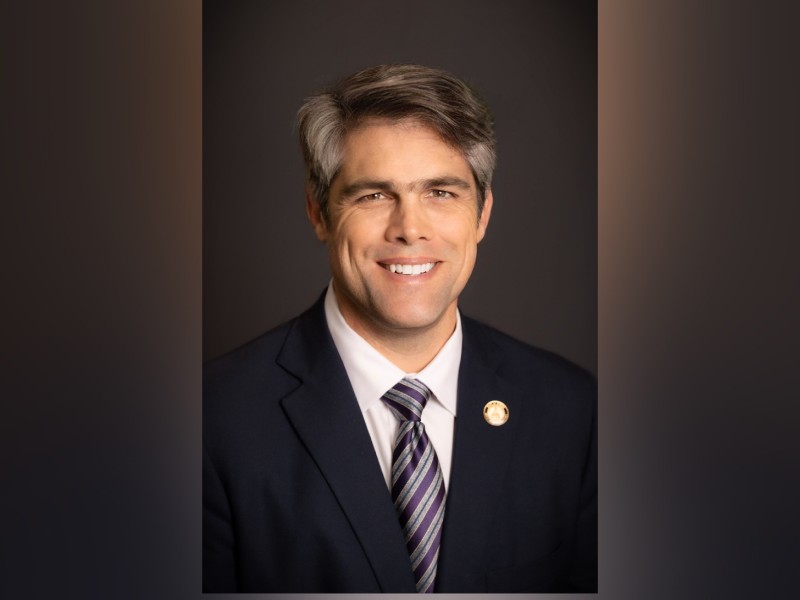
Kelly Burke, master attorney, former district attorney and magistrate judge, is engaged in private practice. He focuses on personal injury cases and corporate litigation. These articles are not designed to give legal advice, but are designed to inform the public about how the law affects their daily lives. Contact Kelly at kelly@burkelasseterllc.com to comment on this article or suggest articles about the law that you��‚��„�d like to see.
HHJ News
Before you go...
Thanks for reading The Houston Home Journal — we hope this article added to your day.
For over 150 years, Houston Home Journal has been the newspaper of record for Perry, Warner Robins and Centerville. We're excited to expand our online news coverage, while maintaining our twice-weekly print newspaper.
If you like what you see, please consider becoming a member of The Houston Home Journal. We're all in this together, working for a better Warner Robins, Perry and Centerville, and we appreciate and need your support.
Please join the readers like you who help make community journalism possible by joining The Houston Home Journal. Thank you.
- Brieanna Smith, Houston Home Journal managing editor